Are chocolate brownies safe during every pregnancy trimester?
Fully baked brownies are generally safe in every trimester. You do not need to stop eating chocolate later in pregnancy. The same food-safety and caffeine rules apply from start to finish.
Focus on how the brownie was baked, what is in it, and its caffeine. The NHS advises no more than 200 milligrams of caffeine a day. ACOG also recommends staying below 200 milligrams each day.
Chocolate contains caffeine, but the amount can vary a lot. Coffee, tea, cola, energy drinks, and some medicines also contain caffeine. Count every source before you choose your brownie portion.
Brownies are treats, not a source of key pregnancy nutrients. A small serving can fit beside balanced meals and snacks. Large or frequent servings add more sugar and calories.
No amount of brownie has been shown to prevent miscarriage or preeclampsia. Some older studies found links between chocolate and pregnancy outcomes. Those links do not prove that chocolate caused a benefit. Enjoy a brownie as dessert, not as a health treatment.
Use four checks before eating a brownie
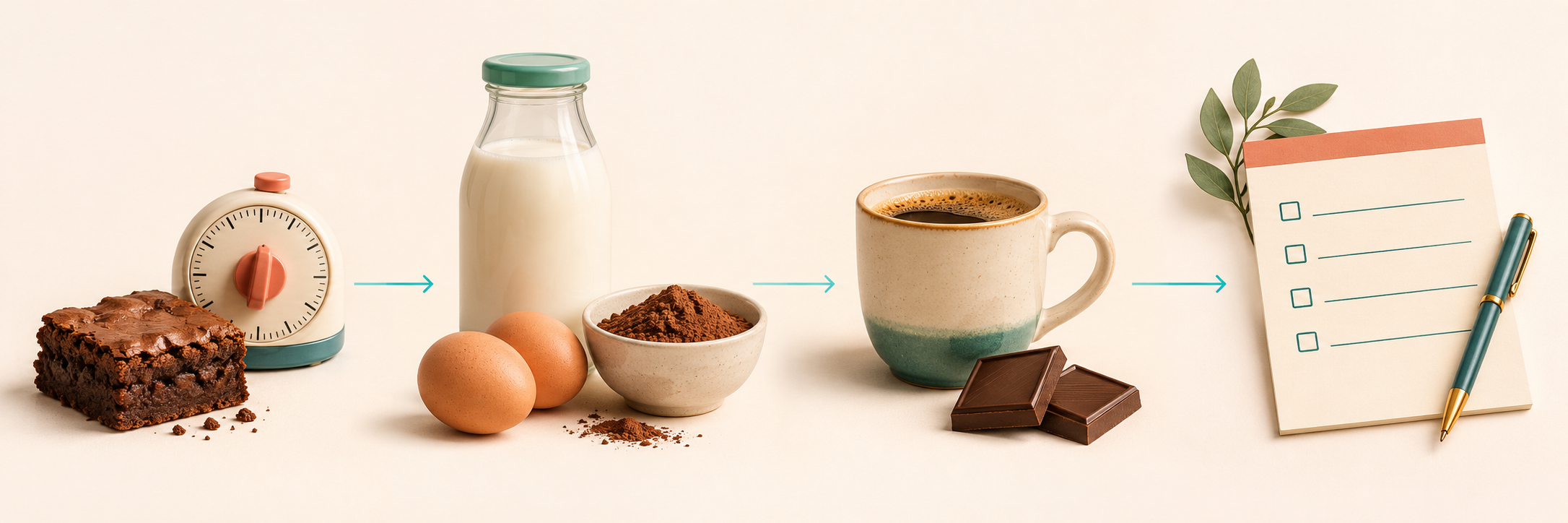
Use four quick checks before you take the first bite. Check the baking, ingredients, caffeine, and your personal health plan.
1. Was the brownie fully baked?
Follow the full baking time and oven temperature in the recipe. Raw flour can carry germs such as E. coli. Raw or lightly cooked eggs can carry Salmonella.
The CDC says brownie batter must be cooked before you eat it. Baking it as directed kills germs in the raw ingredients. Licking the spoon still exposes you to raw batter.
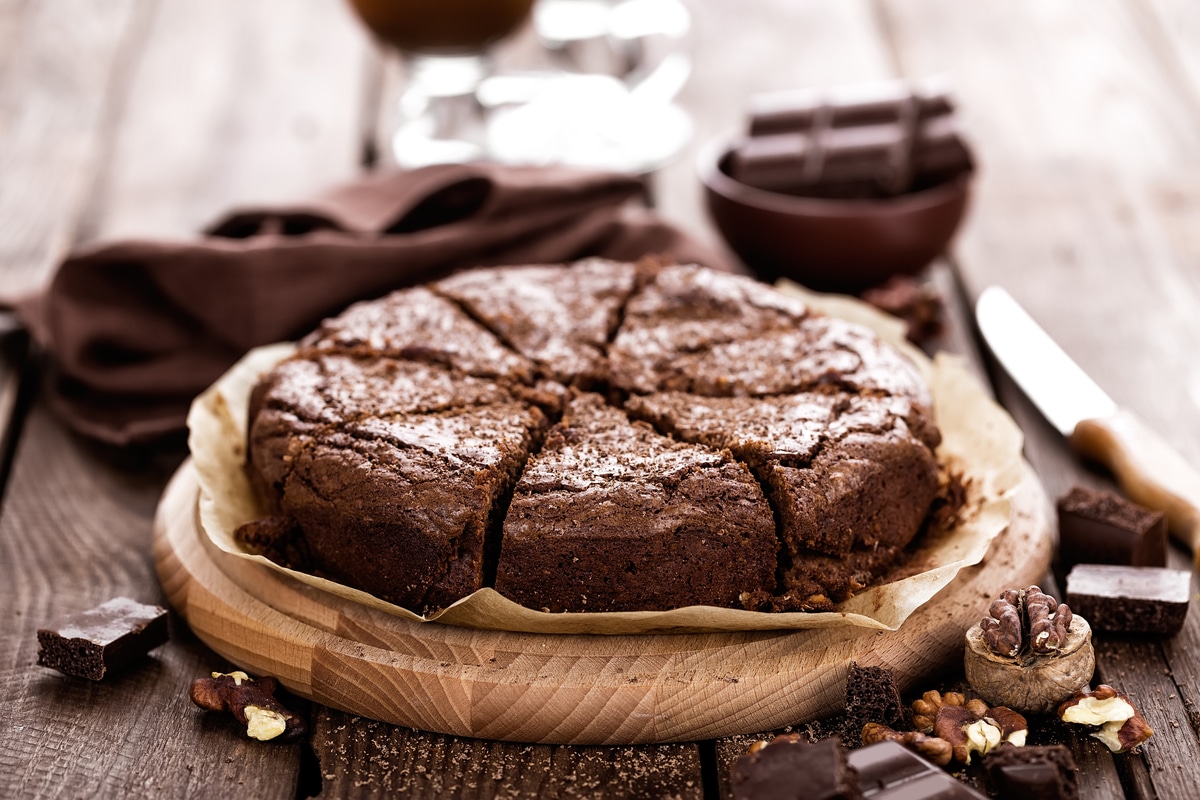
A fudgy center can still be fully baked and safe. A brownie may feel dense because of its recipe and moisture. Shiny, wet batter in the middle means it needs more baking.
Use the doneness test written in your recipe. Some recipes expect moist crumbs on a toothpick. Others call for a clean toothpick or firm edges.
Brownies become firmer while they cool on the counter. Wait for the stated cooling time before you check the center. Put a brownie with a clearly wet center back in the oven when possible.
2. Does it contain familiar food ingredients?
Basic ingredients such as flour, eggs, butter, sugar, cocoa, and chocolate are fine. Check any ingredient you do not know in homemade or bakery brownies. Toppings, fillings, and flavor extracts may need a closer look.
Avoid cannabis brownies during pregnancy, including products with THC or CBD. ACOG advises avoiding cannabis in every form. Edibles may take time to work, so it is easy to take too much.
Avoid brownies made with alcohol or liqueur during pregnancy. Hospital guidance says cooking may not remove all the alcohol. Choose an alcohol-free brownie if you are unsure.
CDC pregnancy food advice lists pasteurized dairy and cooked eggs as safer choices. Packaged brownies often use prepared ingredients, but you should still read the label. Ask the baker what is in a chilled cream topping if the details are missing.
3. How much caffeine have you already consumed?
Count the caffeine in your brownie, drinks, and medicines for the day. The NHS and ACOG both advise a 200-milligram daily limit. Your doctor or midwife may give you a lower limit.
The caffeine amount depends on the cocoa, chocolate, and serving size. Espresso powder, coffee, dark chocolate, and cocoa can raise the total. White chocolate has very little caffeine compared with dark chocolate.
Most brownie labels do not list caffeine. Ask the bakery whether the recipe contains coffee or added caffeine. At home, add the recipe’s caffeine and divide it among the slices.
Use the caffeine amount on the package when one is listed. Do not use a number from a different chocolate product. The brand, cocoa level, recipe, and slice size can change the amount.
Think about everything you had that day, including coffee, tea, and chocolate. Your drinks may use most of your daily limit. A smaller brownie or a caffeine-free drink can help.
The NHS estimates that 50 grams of dark chocolate has under 25 milligrams of caffeine. Imagine using 200 grams of that chocolate in 16 equal brownies. Each piece would have under 6.25 milligrams from the chocolate. Added cocoa or coffee would raise the amount, so this example is only a guide.
4. Does the portion match your health plan?
The right portion depends on your hunger, usual meals, and medical advice. There is no single brownie size that is right for every pregnant person. A small serving leaves room for healthy meals and snacks.
Choose a regular slice instead of a very large bakery square. One café brownie may equal several home-cut pieces. You can share it or save half for later.
People with gestational diabetes need a more careful plan. Flour and sugar can both raise blood sugar. Your response and treatment plan may change during pregnancy.
For gestational diabetes, NHS advice says to limit sugary foods and speak with a dietitian. Follow the targets from your diabetes team. Use the label to compare total carbs in each serving.
Sugar-free brownies can still contain a lot of carbs from flour. Some sweeteners can cause gas, cramps, or diarrhea. Read the total carbs, serving size, and ingredient list together.
The serving size on a package is a useful guide, not a pregnancy rule. If one brownie has two servings, half of it is one serving. Do not let dessert replace a healthy meal. Tell your diabetes team if your blood sugar stays above your target.
How can you tell fudgy or gooey brownies from raw brownies?
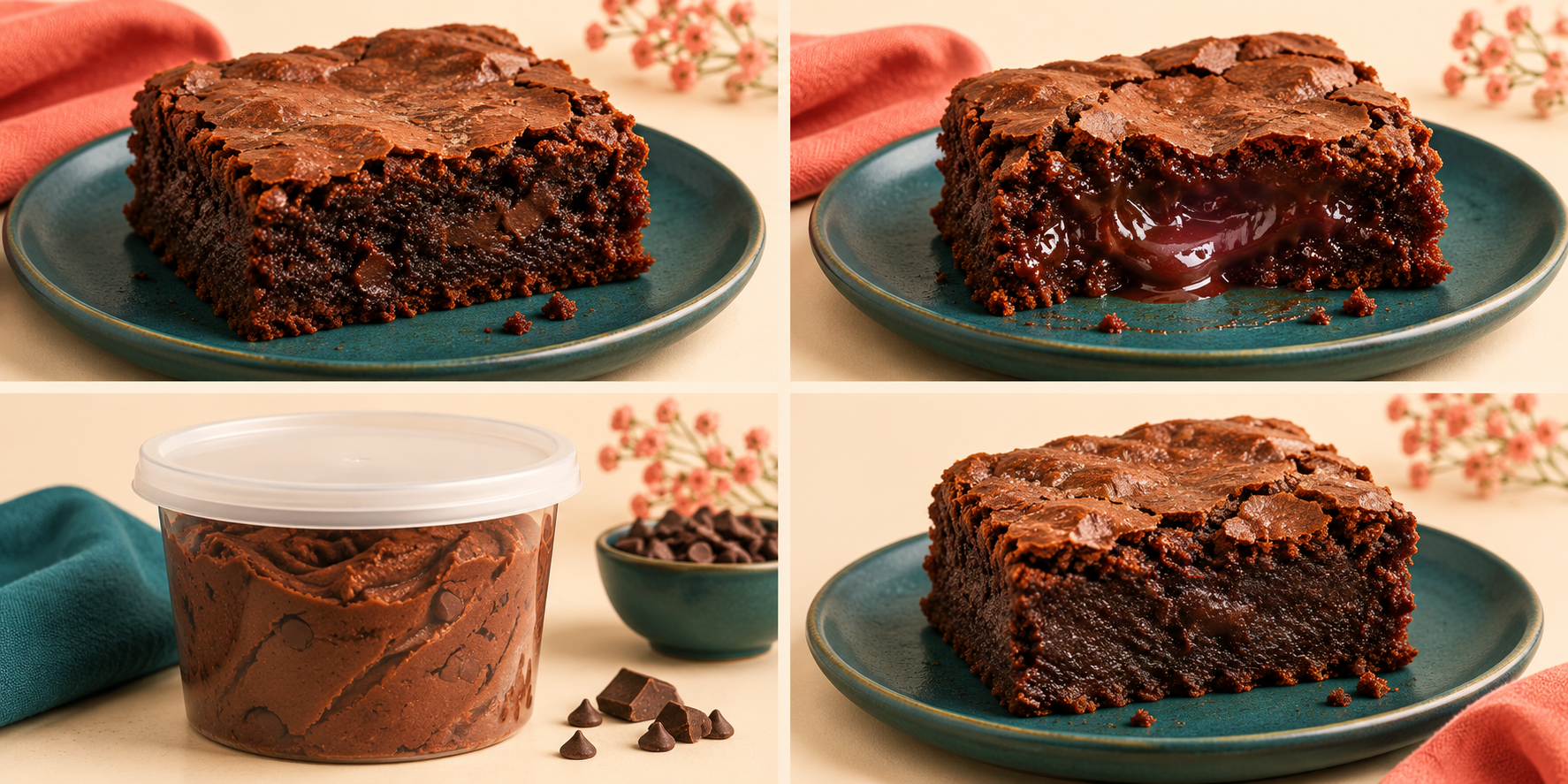
Fudgy brownies hold their shape after they cool, even with a moist center. Raw brownies may have shiny, runny batter or wet pockets inside. Since recipes differ, use the recipe time and doneness test too.
| Brownie type | What you may see | Best action during pregnancy |
|---|---|---|
| Fully baked and fudgy | Set shape with moist crumbs | Eat after completing the recipe directions |
| Wet or raw center | Glossy batter or loose liquid pockets | Bake longer and avoid tasting |
| Packaged edible batter | Label approves eating without baking | Follow every storage and serving direction |
| Unknown bakery center | Texture and ingredients remain uncertain | Ask the baker or choose another brownie |
Use the pan size, oven temperature, and baking time in the recipe. A deeper pan can leave the middle underbaked. An oven thermometer can show if your oven is cooler than the setting.
Check the center, not just the crisp edges. Put a toothpick where the recipe tells you. Moist crumbs may be fine, but wet batter needs more time.
Egg-free batter can still contain raw flour. Vegan batter also needs to bake for the full time. The only exception is batter labeled safe to eat raw. Removing the egg does not remove the risk from raw flour.
Only eat brownie batter when the package says it is safe to eat raw. These products use treated flour and pasteurized eggs, or they leave out eggs. Heating flour at home may not kill all its germs.
The FDA does not recommend trying to make raw flour safe at home. Buy batter that clearly says it is safe to eat raw. Follow all storage directions on the package.
Dry brownie mix is still raw before baking, even if you have not added eggs. Follow the package directions for the pan, temperature, time, and cooling. Cook microwave mug brownies for the full stated time.
Are store-bought brownies safer than homemade brownies?
- Ingredients
- Allergens
- Serving
- Storage
- Raw products
Store-bought and homemade brownies can both be safe. A package gives you ingredient, allergy, serving, and storage details. A homemade batch gives you more control over the ingredients and slice size.
For packaged brownies, inspect these label details before eating:
- Ingredients: Coffee, alcohol flavoring, cannabis, supplements, and unfamiliar additives
- Allergens: Milk, eggs, wheat, peanuts, tree nuts, soy, and sesame
- Serving: Portion size and total carbohydrate for personal meal planning
- Storage: Refrigeration directions and the printed use date
- Raw products: Approval for eating batter without baking
A bakery brownie may not have a full ingredient label. Ask about raw eggs, unpasteurized toppings, alcohol, cannabis, and allergens. Choose something else if the seller cannot answer an important safety question.
At home, keep raw flour away from foods that are ready to eat. Wash your hands, bowls, tools, and counters after making batter. Chill toppings with dairy or eggs as the recipe directs.
Can you eat brownies with nuts during pregnancy?
You can eat nuts during pregnancy unless you have an allergy. NHS pregnancy advice says you do not need to avoid peanuts without an allergy. Brownies may contain walnuts, pecans, almonds, or peanut butter. Check the label if mixed nuts or shared tools are a concern.
If you have a nut allergy, avoid that nut and possible cross-contact. Get emergency help for sudden mouth swelling, trouble breathing, or fainting. Use your prescribed emergency medicine as your allergy plan directs. Pregnancy does not make a known allergy less serious.
What happens if you lick or eat raw brownie batter during pregnancy?
If you took one small taste, stop eating the batter. A small taste does not mean you will get sick. Do not make yourself vomit or take medicine unless a clinician tells you to.
Food poisoning can cause diarrhea, cramps, nausea, vomiting, or fever. Symptoms may start within hours or after several days. The timing depends on the germ that caused the illness.
Call your doctor or midwife if you have a fever with flu-like symptoms. The CDC lists warning signs that need medical care. Get help for bloody diarrhea or signs of severe dehydration.
Seek care if vomiting stops you from drinking fluids. Also call if diarrhea lasts more than three days. Tell the clinician you are pregnant, what you ate, and when symptoms started.
Save the package, mix box, or flour label. These details can help a clinician find a food recall. Check your national food-safety website for current recalls.
One small taste is different from having symptoms that continue. If you feel well, a clinician may tell you to watch for symptoms. Your health history may change what they advise.
After a small exposure, harm is unlikely if you do not become ill. Contact your maternity team if you remain worried or symptoms begin. They can give advice based on your pregnancy and health history.
What brownie ingredients deserve extra attention?
Look more closely at coffee, supplements, uncooked fillings, cannabis, and alcohol. Marketing words do not prove a brownie is safe in pregnancy. This includes “healthy,” “protein,” “herbal,” and “keto.”
Coffee and espresso brownies
Coffee-flavored brownies may have extra caffeine on top of the chocolate. Ask how much coffee is in the recipe or check the label. Count it in the same 200-milligram daily total.
Protein and supplement brownies
Read the full label on any protein powder used in a brownie. Powders may contain herbs, stimulants, vitamins, or other active ingredients. Ask your doctor, midwife, or pharmacist about any ingredient you do not know.
Foods such as nuts, seeds, yogurt, and pasteurized dairy are easier to check. Your allergy needs still apply to every recipe and topping. Do not use a powder until you understand all its added ingredients.
Cheesecake and cream-topped brownies
Choose fillings made with pasteurized dairy and properly cooked eggs. Store chilled brownies as the package says. Throw away a chilled brownie left warm longer than its safety directions allow.
Cookie-dough and mousse brownies
A cookie-dough topping should say it is safe to eat raw. Homemade cookie dough still has raw flour unless a company treated it. Some mousse recipes also use raw eggs. Ask whether the eggs are pasteurized before eating an uncooked filling.
Cannabis or CBD brownies
Avoid brownies with cannabis, THC, or CBD throughout pregnancy. Eating cannabis is not a safer choice than smoking it during pregnancy. An unknown strength also makes it easy to take more than you planned.
Are brownies made with alcohol safe during pregnancy?
Choose brownies made without alcohol during pregnancy. The baking time and method affect how much alcohol remains. Ask the maker if a flavor name or label is unclear.
ACOG advises avoiding alcohol during the whole pregnancy. An alcohol-free brownie removes the question of how much alcohol remains.
Can dark chocolate brownies offer pregnancy benefits?
Dark chocolate changes the flavor and caffeine amount. It does not treat or prevent pregnancy problems. Cocoa has plant compounds, but brownies also contain sugar and fat.
Studies about chocolate in pregnancy have found mixed results. Some found a link with certain outcomes, but a link does not prove a cause. Brownies have not been shown to prevent miscarriage or preeclampsia.
Choose dark chocolate because you like its taste. Count its caffeine in your daily total. Never use dessert in place of prenatal care or treatment.
Call your maternity team about a bad headache, vision changes, sudden swelling, or pain. A food change cannot test or treat a pregnancy problem. New or severe symptoms need medical care.
What if brownies worsen heartburn or nausea?
Yes, brownies can make heartburn worse for some pregnant people. Rich, fatty, or caffeinated foods may trigger symptoms. NHS advice suggests smaller meals and avoiding foods that trigger you.
Try a smaller portion if a large serving causes discomfort. Stop if nausea, heartburn, or stomach pain gets worse. Get medical help if vomiting keeps you from drinking.
A practical brownie decision
Choose a fully baked brownie made with familiar ingredients. Check the caffeine, serving size, allergens, and any blood-sugar plan. Skip raw batter and brownies made with cannabis or alcohol.
One brownie does not decide whether your whole diet is healthy. Enjoy it alongside regular meals with protein, fruits, vegetables, and whole grains. Follow your own medical advice if a pregnancy problem affects your food choices.
Sources
- CDC: Safer Food Choices for Pregnant Women
- CDC: Raw Flour and Dough
- CDC: Food Poisoning Symptoms
- FDA: Handling Flour Safely
- ACOG: How Much Coffee Can I Drink While Pregnant?
- ACOG: Marijuana and Pregnancy
- NHS: Foods to Avoid in Pregnancy
- NHS: Gestational Diabetes Treatment
- ACOG: Tobacco, Alcohol, Drugs, and Pregnancy
- University Hospitals Birmingham: Alcohol-Free Foods and Drinks
- NHS: Indigestion and Heartburn in Pregnancy