Check Five Details Before Using the Bottle
- Are you using a refillable bottle or another heated product?
- Will you place it over familiar muscle soreness?
- Does your maternity service restrict heat during your current pregnancy stage?
- Could your new symptoms need medical assessment first?
- Do you already have fever or whole-body overheating?
Your answers show when local warmth may help or assessment should come first.
Can You Use a Hot Water Bottle During Pregnancy?
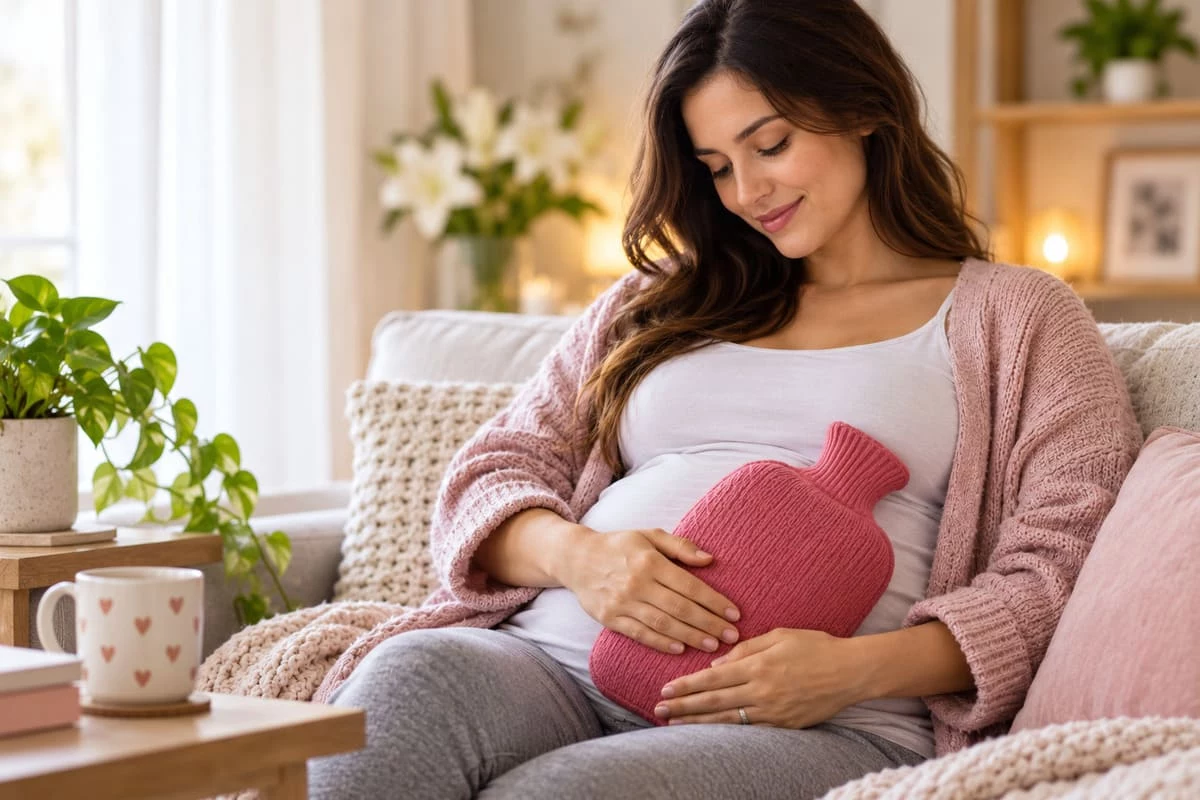
Using a hot water bottle during pregnancy may ease sore back muscles. ACOG includes warm water bottles among pregnancy back pain options. ACOG advises wrapping the bottle in a towel. It also advises limiting each heating session.
Use local warmth only for familiar muscle soreness. For example, warmth may comfort an aching lower back after standing. It cannot identify why new pain has started.
Several details shape your choice:
- Place warmth over a sore muscle area.
- Put clothing or a towel under the bottle.
- Keep boiling water away from every refillable bottle.
- Remove the bottle when your skin becomes uncomfortable.
- Speak with your maternity team about unusual pain.
Your own maternity service may use stricter advice. Medical conditions, reduced skin sensation, or pregnancy problems may also change recommendations.
These instructions cover a refillable hot water bottle, also called a hot water bag. Electric, microwaveable, and chemical packs need separate product instructions.
Why Local Warmth Differs From Whole Body Overheating
A bottle warms one small area near your skin. A sauna, hot tub, fever, or hot workplace heats more of your body. Those larger exposures can raise your internal body temperature.
Hyperthermia is a harmful rise in internal body temperature. MotherToBaby lists extreme exercise, hot tubs, and saunas among causes. It also lists prolonged environmental heat exposure. Those warnings concern internal body heat from broader exposures.
Pregnancy can increase your sensitivity to hot environments. The CDC reports greater risks from heat illness and dehydration.
Avoid the bottle during a fever or marked whole-body overheating. Contact your clinician about fever during pregnancy.
Core body temperature cannot tell you how warm the bottle should be. Core temperature and bottle water temperature measure different things. Bottle use still carries skin burn and scald risks.
Where Can You Place a Hot Water Bottle While Pregnant?
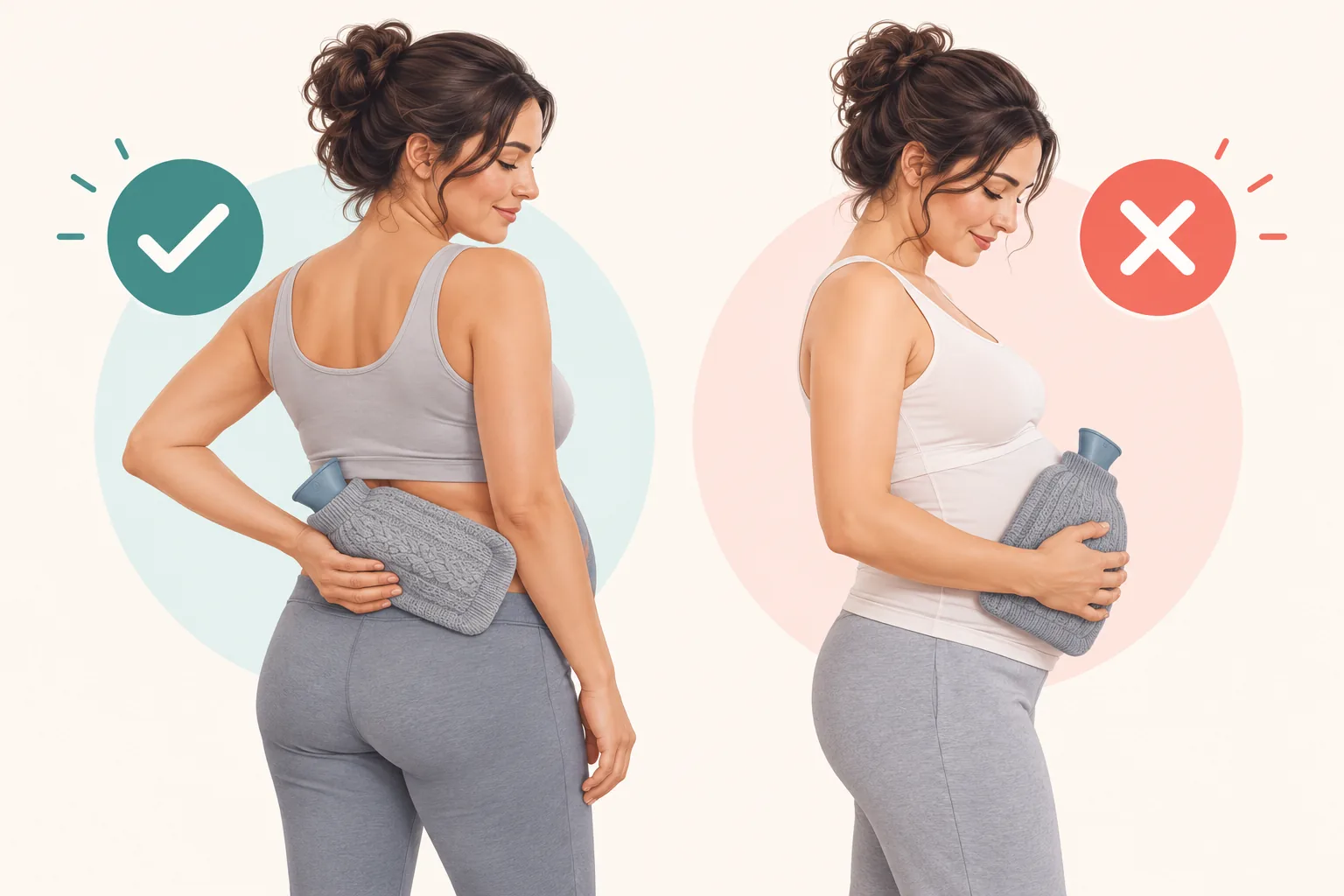
Clinical pregnancy guidance most directly supports lower-back use. Several maternity physiotherapy services also discuss hips, buttocks, inner thighs, and groin muscles. They advise keeping direct heat away from the bump.
Lower back and hips
Place a wrapped warm bottle across sore lower back muscles. Leeds maternity physiotherapy recommends wrapped lower back heat for 15 minutes. ACOG also supports warmth for painful back muscles.
HSE Ireland includes hips and buttocks within pelvic girdle pain advice. Keep a towel or cover between the bottle and skin.
Inner thigh, groin, and ribs
Warmth may also help familiar groin, thigh, or rib muscle aches. South Tees Hospitals includes the inner thigh and groin. Its physiotherapy advice calls for warm, gentle heat.
HSE also describes rib area warmth away from the bump. Rib pain with bleeding or tummy pain needs medical assessment.
Stomach and baby bump
Choose the lower back and avoid direct bump contact. Leeds, HSE, and Whittington maternity resources advise avoiding the bump. Whittington Health also excludes direct heat across the tummy.
Keeping heat away from the bump is the cautious choice. Past bump contact alone cannot confirm harm. Tummy pain also needs attention to its cause.
Can You Use a Hot Water Bottle in the First Trimester?
First trimester advice differs between credible pregnancy services. ACOG lists no separate trimester restriction for warm bottle use.
HSE Ireland takes a more cautious position. Its pelvic girdle pain page advises avoiding heat during weeks zero through twelve. That advice comes from one national maternity service. A reader using HSE services should follow its stricter advice.
Because trusted services differ, no single worldwide rule applies. Follow your own maternity service when its instructions differ.
Early pregnancy heat research mainly concerns fever and whole-body overheating. MotherToBaby reports concern when internal temperature remains raised during early pregnancy. It discusses neural tube defects after early fever or hyperthermia. The reported concern mainly covers exposure before pregnancy week six. Ordinary covered bottle use remains a separate, understudied exposure.
After week twelve, service instructions can still vary. ACOG offers no trimester cutoff for its back pain advice.
What Bottle Temperature Is Safe During Pregnancy?
Follow product instructions and avoid water hot enough to burn. Pregnancy authorities provide no universal water temperature for hot water bottles.
Never fill the bottle with boiling water. Boiling water increases scald danger and can weaken bottle material. The Australian product safety standard requires a boiling water warning.
Check warmth through the cover before body contact. Remove the bottle if warmth becomes sharp, painful, or uncomfortable. Persistent redness can signal skin damage from excessive warmth.
Bottle water temperature and your internal temperature are different measurements. Avoid using fever, bath, or sauna numbers as filling instructions.
How Long Can You Use a Hot Water Bottle?
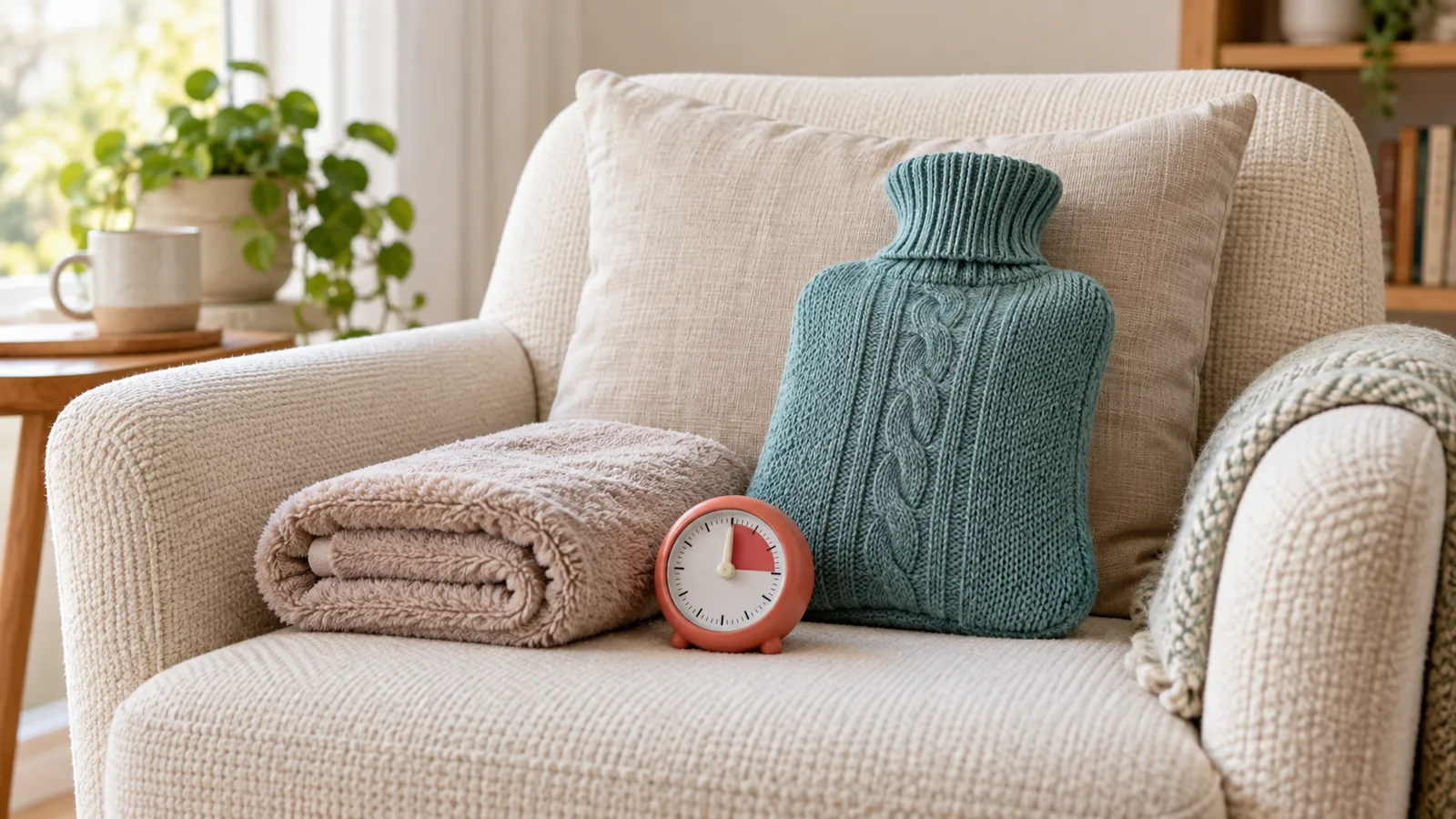
Use a hot water bottle while pregnant only for brief sessions. Published time limits differ across maternity services and situations.
- Whittington advises about ten minutes for lower back use.
- South Tees discusses gentle warmth for ten to fifteen minutes.
- Leeds advises fifteen minutes across the lower back.
- HSE limits a wrapped hot pack to twenty minutes.
These sources support short sessions, but their time limits differ. Without local advice, begin with ten minutes and check your skin.
Can you sleep with a hot water bottle?
Avoid sleeping with the bottle against your body. Sleep can lengthen contact before you notice excessive warmth.
Can you use one every day?
Repeated short use still requires a cover and skin checks. Frequent pain needing daily warmth deserves discussion with your maternity professional. Assessment can identify pelvic, urinary, muscular, or pregnancy-related causes.
How Can You Prevent Burns and Scalds?
Hot water bottles can cause serious skin injuries. Burns may develop slowly during prolonged contact. Leaks or bottle failure can also release hot water.
Australian regulators report around 200 bottle-related burn admissions yearly. The figure includes all users and provides no pregnancy-only total.
Prepare the bottle over a sink with good lighting. Keep children and pets away while you fill it.
Use the bottle in the following order:
- Inspect the bottle, seams, stopper, and outer surface.
- Discard bottles showing cracks, brittleness, fading, leaks, or damage.
- Fill with warm water and avoid boiling water.
- Follow the bottle instructions and stated fill line.
- Remove extra air before securing the stopper carefully.
- Check the closed bottle for leaks over a sink.
- Dry the outer surface before adding its protective cover.
- Add a purpose-made cover or folded towel.
- Use a timer before placing warmth against your body.
- Rest the bottle lightly against the covered muscle area.
- Keep your body weight away from the bottle.
- Remove the bottle before sleeping or leaving it unattended.
- Empty it after use and let the inside dry.
The ACCC hot water bottle advice warns against prolonged direct skin contact. It also advises removing bottles before entering a warmed bed.
When Should You Replace a Hot Water Bottle?
The ACCC advises replacing Australian hot water bottles every year. A daisy wheel on Australian bottles shows their manufacture date. Other countries may use different markings and replacement schedules. Follow local product rules and maker instructions for replacement.
People with reduced skin sensation need added caution. Diabetes and nerve problems can make gradual burns harder to notice. Ask a clinician before using direct local heat.
Rubber bottles can cause reactions in people with latex allergies. Check the product material when you have a known allergy.
Which Pregnancy Aches May Respond to Warmth?
Local warmth best matches familiar muscle or joint soreness. Pregnancy services discuss warmth for lower back, hips, buttocks, groin, and ribs.
Imagine your lower back aches after a long shopping trip. A wrapped bottle may comfort those tired muscles briefly. Sudden one-sided pain with fever needs a different response.
Warmth may ease symptoms without revealing their cause. New stomach cramps during pregnancy need closer attention. NHS pregnancy advice notes mild cramps can ease after rest, passing wind, or changing position. Severe or lasting cramps need maternity assessment.
Avoid using a bottle as proof that pain is harmless. Temporary comfort can occur while an underlying problem remains.

What Else Can Help Pregnancy Back or Pelvic Pain?
Warmth works best alongside other comfort options for pregnancy pain. ACOG also recommends supportive shoes, careful lifting, and suitable exercise.
Bend your knees and keep your back upright while lifting. Hold objects close to your body and avoid twisting suddenly. Ask another adult to lift heavy or awkward items.
Gentle movement may reduce stiffness when your maternity professional approves it. Change positions before discomfort builds during long seated periods. A small cushion can support your lower back while seated.
HSE recommends pacing daily tasks when pelvic pain affects movement. Divide larger chores into smaller parts with rest between them. Place a pillow between your knees while sleeping on your side.
Keep your knees together while entering or leaving a car. Remain seated while dressing to avoid balancing on one leg. Comfortable, flat, supportive shoes may reduce strain during daily movement.
Pain affecting walking, sleep, or daily tasks deserves professional assessment. A pregnancy physiotherapist can assess movement, posture, and pelvic support. Your maternity professional can confirm suitable exercises for your pregnancy.
Which Pain Symptoms Need Maternity Help?
Contact your maternity team when pain seems severe, unusual, or persistent. Heat should never postpone assessment for pregnancy warning signs.
Contact your maternity professional promptly when:
- Back pain continues beyond two weeks.
- Pain becomes severe, keeps returning, or disrupts daily movement.
- Fever appears with back or side pain.
- Passing urine causes pain, burning, or another unusual symptom.
- Tummy pain seems strong, new, or worsening.
ACOG advises professional assessment for severe back pain. It also recommends assessment when pain lasts beyond two weeks. The NHS page flags fever, bleeding, urinary pain, and later pregnancy pain.
Contact your maternity unit urgently when:
- Vaginal bleeding occurs.
- Your waters break or fluid starts leaking.
- Regular contractions begin before 37 weeks of pregnancy.
- Your baby moves less than their normal pattern.
During early pregnancy, new one-sided pain needs prompt medical advice. Shoulder-tip pain or bleeding also requires urgent assessment. Severe pain, weakness, dizziness, or fainting needs emergency help. The NHS ectopic pregnancy guidance describes these early-pregnancy warning signs.
The NHS labour advice lists bleeding, broken waters, and possible early labour. NHS guidance also advises immediate contact for reduced baby movements.
Use your local emergency service for severe breathing trouble, fainting, or intense pain. Local phone numbers and contact services vary between regions.
What details should you share with your maternity team?
Useful details help a health professional assess your pain accurately. Record where pain begins and where it spreads. Note when it started and what you were doing beforehand.
Describe the pain using familiar words from your experience. Examples include aching, cramping, burning, stabbing, or throbbing sensations. Mention movement, rest, meals, urination, or bowel movements affecting pain.
Record how long each episode lasts and how frequently it returns. Include any bleeding, fluid loss, fever, dizziness, or urinary symptoms. Mention any change in how your baby moves during later pregnancy.
Tell them which comfort measures you already tried. Include bottle placement, contact time, cover thickness, and water warmth. Written notes can help during an urgent or emotional conversation.
Only a health professional can diagnose the cause accurately. Your notes can support appropriate next steps from that professional.
What If You Already Used One on Your Bump?
Brief past contact alone cannot predict a pregnancy outcome. Check your skin, whole-body symptoms, and pregnancy warning signs.
If you fell asleep beside it, remove the bottle first. Inspect your skin and note any whole-body symptoms.
First, inspect the skin that touched the bottle. Seek medical help for blistering, severe tenderness, or lasting redness. Cool a fresh burn under cool running water for twenty minutes. The NHS burn advice provides further first aid steps.
Next, consider how your whole body reacted. Faintness, marked dizziness, fever, or severe overheating need medical advice. Tell the clinician where you placed the bottle and for how long.
Then check your body for pregnancy warning signs. Bleeding, leaking fluid, regular contractions, or reduced movements need maternity contact. Those symptoms need assessment whatever caused them.
Lingering worry also deserves a conversation with your maternity professional. Share your pregnancy week, bottle placement, contact time, and symptoms.

Can a Hot Water Bottle Cause Miscarriage?
The reviewed sources provide no evidence that routine covered bottle use causes miscarriage. Direct pregnancy research on ordinary hot water bottle use remains limited.
Fever and hyperthermia research examines a different type of heat exposure. MotherToBaby reports mixed miscarriage findings after raised internal body temperature. Some studies found an association, while other studies found none.
Fever can come from illness, which may also affect pregnancy. A study about fever cannot prove bottle-related harm.
Limited research prevents any promise of zero risk. Safer handling still protects your skin and reduces scald danger. Bleeding or strong pregnancy pain needs medical assessment regardless of timing.
How Do Other Heat Sources Compare?
Choose advice based on the heated area and exposure type. One recommendation cannot cover every heat source accurately.
| Heat source | Exposure pattern | Main concern |
|---|---|---|
| Hot water bottle | Small skin area | Burns, scalds, and reason for pain |
| Heating pad | Small powered area | Burns and long contact |
| Warm bath | Larger water exposure | Comfort and internal temperature |
| Hot tub | Large hot water exposure | Rising internal temperature |
| Sauna | Whole body hot air | Rising internal temperature |
| Fever | Internal temperature rise | Illness and pregnancy effects |
The table separates risks without ranking the listed products. A heating pad needs its own device instructions. Hot tubs, saunas, and fever need whole-body heat advice.
What about electric or microwaveable heat products?
Electric bottles, heating pads, and microwaveable packs use different heating systems. Follow each product temperature, timing, charging, and placement instructions. Never place a refillable bottle inside any microwave or oven.
Never combine a hot water bottle with an electric blanket. UK government fire guidance applies that warning even when the blanket is switched off. Water leakage around electrical bedding creates an avoidable hazard.
Pregnancy advice for refillable bottles cannot cover every heated product. Ask your maternity professional when product instructions conflict with pregnancy advice.
Sources
- ACOG: Back Pain During Pregnancy
- HSE Ireland: Pelvic Girdle Pain and Heat
- HSE Ireland: Sore Ribs During Pregnancy
- Leeds Teaching Hospitals: Pelvic Girdle and Lower Back Pain
- Whittington Health: Pelvic and Lower Back Pain
- South Tees Hospitals: Therapeutic Aids for Pregnancy
- MotherToBaby: Fever and Hyperthermia
- CDC: Heat and Pregnancy
- NHS: Back Pain in Pregnancy
- NHS: Stomach Pain in Pregnancy
- NHS: Ectopic Pregnancy Symptoms
- NHS: Signs That Labour Has Begun
- NHS: Your Babys Movements
- NHS: Burns and Scalds
- ACCC: Hot Water Bottles Mandatory Standard
- ACCC Product Safety: Hot Water Bottles
- UK Government: Fire Safety in Winter