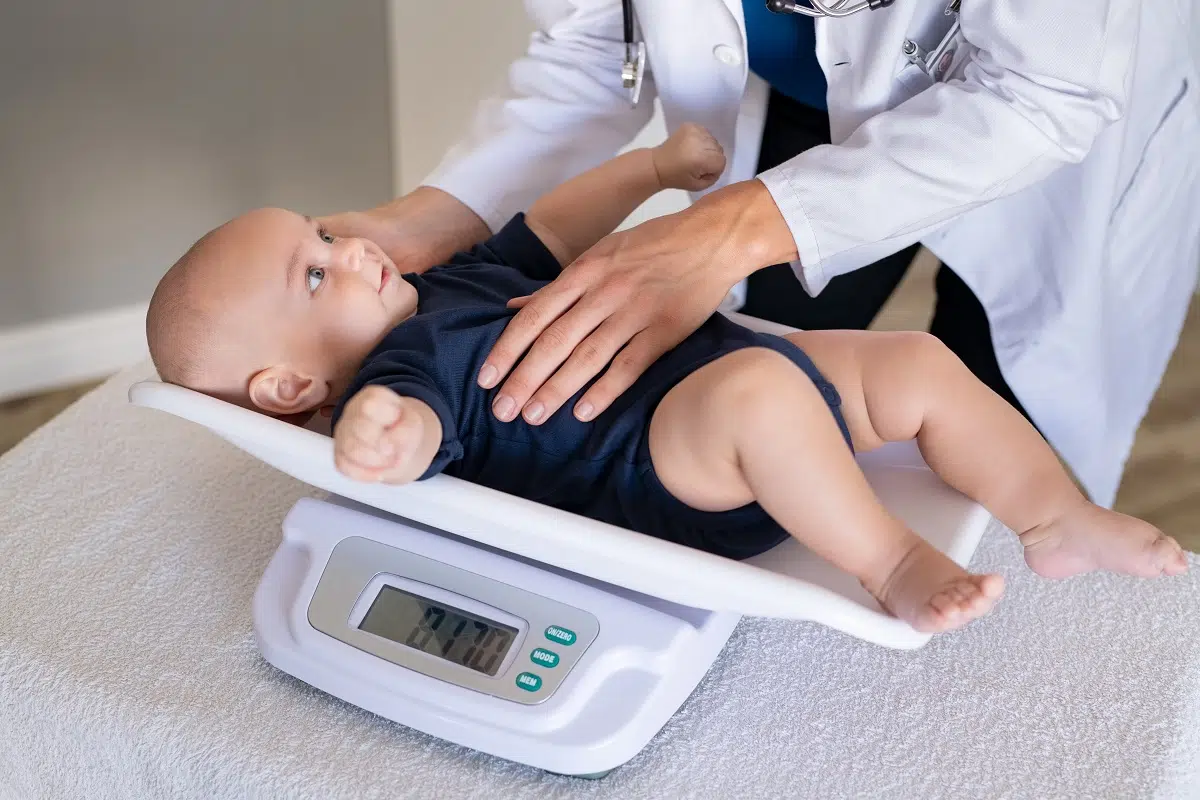
Baby skin can look brighter after dry flakes soften. Such surface changes leave natural melanin levels unchanged. Genetics influence melanin production and the later visible complexion. Healthy skin goals include comfort, softness, and barrier support.
Massage oil cannot change natural baby skin colour
Massage oil works on skin surfaces without changing natural pigment. Oil coats dry scales and reduces a dull appearance. Smoother skin reflects light differently after dryness improves. That change can resemble brightening under indoor lighting.
Melanin provides much of the colour visible in skin. Massage oils leave natural melanin production unchanged inside infant skin. Products designed to reduce pigment belong to another category. Such products have no place in routine daily infant massage.
Whitening promises hide the true purchase decision. Parents need oil suited to developing infant skin. Ingredient choice, fragrance, rashes, and prematurity change that decision. Skin shade offers no proof of product quality.
Why newborn skin colour can look different
Newborn appearance can change while skin and circulation mature. Dryness, peeling, warmth, lighting, and recent crying briefly affect appearance. Reviewed NHS newborn information describes the developing skin barrier during early weeks.
Yellow skin or yellow eyes can point toward jaundice. Such yellowing needs prompt newborn health advice, beyond cosmetic treatment. Sudden blue, grey, or very pale colour needs urgent assessment. Oil cannot correct any medical colour change.
Sun exposure can deepen pigment while also burning delicate skin. Avoid placing a baby in sunlight to change complexion. Reviewed NHS sun advice shields babies under six months from direct sunlight. Use shade and lightweight clothing according to local weather.
Which baby massage oils have support in India?
Coconut and sunflower oils receive the broadest agreement here. Two Indian reports support both oils for routine infant massage. Sesame oil receives support in one reviewed task-force report. Olive and mustard oils receive discouraging recommendations in both documents.
The comparison needs caution around mineral oil. Indian guidance reaches different conclusions about that ingredient. One guideline includes mineral oil among preferred options. Another task-force report places mineral oil among discouraged choices.
| Oil | Indian guidance reviewed here | Practical reading |
|---|---|---|
| Coconut oil | Supported in both Indian documents | A plain formula offers a well-supported starting choice |
| Sunflower oil | Supported in both Indian documents | Another well-supported option for routine massage |
| Sesame oil | Supported in the NAMS task-force report | Consider only a plain formula after response checking |
| Mineral oil | Guidance differs across the two documents | Ask your clinician when uncertainty affects your choice |
| Olive oil | Discouraged in both Indian documents | Choose another option for routine infant massage |
| Mustard oil | Discouraged in both Indian documents | Avoid routine use on developing infant skin |
The Indian Academy of Pediatrics prefers coconut, sunflower, or mineral oil. Its guideline raises barrier concerns involving olive and mustard oils. The NAMS task-force report also supports coconut, sunflower, and sesame oils. That report discourages mineral, mustard, and olive oils.
Different recommendations can reflect evidence choices and product definitions. They cannot prove every bottle behaves identically. For the least disputed choice here, start with coconut or sunflower oil. A clinician may suggest another product for individual skin needs.
How should parents choose between coconut and sunflower oil?
Either oil can suit massage on healthy skin. Select a sealed, fragrance-free formula with very few ingredients. Texture, climate, price, and family custom may influence personal preference. Individual skin response should outweigh every marketing promise.
Choose an oil from the label beyond front claims
A short ingredient list makes reactions easier to trace. Look for one main oil without added fragrance. Ignore fairness, whitening, glow, detox, and complexion promises. Organic wording alone proves neither purity nor infant suitability.

Turn the bottle around and read the complete ingredient list before considering front-label promises. Choose only products made specifically for infants, with a visible, unexpired date. Skip strong added perfume, essential oils, artificial colours, and any damaged packaging. Missing important label details make safe product comparison harder for parents shopping online.
Food oils from an open kitchen container can vary greatly. Heat, light, storage, and contamination may change the product. Select a sealed product intended for daily infant skin use. Discard rancid oil or anything with a changed smell.
Avoid products carrying vague claims without full ingredient details. Product testing claims need a named method and accessible evidence. Words like natural, herbal, or pure remain marketing descriptions. Individual skin response still determines practical tolerance.
Fragrance-free and unscented labels have different meanings. Unscented products can hide fragrance behind masking ingredients. The American Academy of Dermatology prefers fragrance-free eczema products. That label distinction also helps parents avoid needless infant irritants.
Dry skin and eczema need different choices
Dry skin may improve after a plain emollient reduces water loss. Eczema needs a more focused plan than massage oil. Red, itchy, cracked, weeping, or crusted skin can need treatment.
The American Academy of Dermatology recommends fragrance-free creams or ointments for baby eczema. Thick moisturizers can work better than lotions or oils. Apply prescribed medicines exactly as your clinician directs. Avoid massage across broken, sore, or infected skin areas.
Ask a clinician one focused question before experimenting: which moisturizer suits the current rash? Mention prematurity, allergies, weeping areas, crusting, and recent products. Bring the oil bottle or ingredient photograph along. Those details help separate irritation from another skin condition.
Dryness may cause fine flakes without marked redness or itching. Eczema more commonly brings itch, rough patches, redness, or cracking. Lukewarm baths can remove irritants without rough scrubbing. Apply the recommended moisturizer while skin remains slightly damp.
Premature and unwell babies need individual advice
Premature infant skin can lose heat and water more readily. Hospital equipment, medicines, and infections can change topical choices. Use products approved through the baby medical team. Home massage routines should wait until that team confirms readiness.
Medically unstable babies may need massage postponed altogether. Ask which product, amount, timing, and body areas remain appropriate. Share any rash history and every current topical medicine. Bring the full ingredient label when asking about products.
Test and use baby massage oil in four steps
Start with a small amount and watch the response closely. A response check cannot promise freedom from future reactions. It can reveal early redness, swelling, or bumps. Premature, hospitalized, or medically fragile babies need individualized advice.
- Check one small skin area before full use. Place one drop on an intact arm or leg area. Watch that spot for redness or swelling during 24 full hours.
- Prepare a safe, warm space before starting. Remove jewellery and trim rough fingernails before touching skin. Place your baby securely on a soft towel near you.
- Use gentle strokes across healthy, intact skin. Warm several drops between clean palms before application. Let infant movement and expression control the massage length.
- Stop the massage when any discomfort appears. End massage after crying, stiffening, pulling away, or skin irritation. Wash away remaining oil after any visible reaction.
Massage works best while your baby appears calm and alert. Avoid starting directly after feeding or during illness. Avoid leaving an oily baby unattended on raised furniture. Oil makes skin slippery and increases handling difficulty.
Indian Academy of Pediatrics guidance describes fifteen to thirty minutes. Such guidance also suggests one to two hours after feeding. Shorter sessions may suit your baby better. End early whenever alert calm behavior changes.
Avoid oil near eyes, mouth, nostrils, and cord stump. Wipe excess oil from hands before mouthing occurs. Skip vigorous rubbing, rough pastes, and forceful limb movements. Gentle touch should cause no redness or pain.
Photograph new rashes under neutral light before washing. Record the product name, ingredients, application time, and symptoms. That record can help a clinician assess likely irritation more accurately. Skip suspected products during an active skin reaction.
Massage benefits come mainly from gentle touch
Oil mainly reduces friction between hands and infant skin. Gentle massage can support quiet daily contact and parent-infant bonding. Some studies report sleep, growth, or stress-related benefits. Results vary across age, health, technique, and study quality.
Massage remains fully optional, even when families value the ritual. Warm touch can still reach your baby without oil. Stop whenever your baby shows distress or discomfort. Massage cannot safely replace treatment for colic, rashes, or illness.
Massage oil cannot treat jaundice, infection, eczema, or food allergy. It also cannot strengthen bones through skin contact. Nutrition and medical treatment address those separate health needs. Use massage as touch without treating medical problems.
The most useful goal remains a comfortable shared routine. No complexion change needs measurement after each session. Watch skin texture, redness, bumps, and overall infant response. Those observations help judge tolerance far better than colour alone.
Avoid skin-lightening creams for babies
Skin-lightening products differ greatly from plain massage oils. Some products reduce pigment through active bleaching ingredients. Infant skin absorbs topical substances more readily than mature skin. Unlabelled or handmade products create further ingredient uncertainty.
The United States Food and Drug Administration warns about hydroquinone and mercury in lightening products. Reported harms include rashes, swelling, and lasting discolouration. The World Health Organization describes mercury-containing lighteners as hazardous.
Avoid whitening creams, soaps, powders, and homemade mixtures. Skip turmeric scrubs, gram-flour rubbing, lemon juice, and bleaching agents. Abrasive rubbing can damage the developing skin barrier. Acids and unknown mixtures can also cause painful burns.
When skin changes need medical help
Some skin changes need assessment beyond a product switch. Contact a clinician when redness spreads, skin weeps, blisters, or crusts. Seek urgent help after facial swelling or breathing trouble. Stop every newly applied product while arranging assessment.
Newborn jaundice causes yellow skin or yellow eye whites. Yellowing during the first day needs immediate urgent professional assessment. Later yellowing also deserves prompt newborn health advice. The NHS jaundice information lists poor feeding, sleepiness, dark urine, and pale stools.
Blue, grey, very pale, or blotchy colour can signal illness. Breathing trouble, poor feeding, limpness, or unusual sleepiness greatly raises concern. Seek urgent local medical help after those changes. Apply no additional oil while waiting for professional help.
Common questions about baby oil and complexion
No reliable evidence shows coconut oil darkens natural infant complexion. Residue, lighting, or reduced dryness can alter surface appearance. Stop using coconut oil after any new rash or irritation. Assess skin reactions through symptoms and overall health.
No inspected evidence supports almond oil for infant skin whitening. Almond oil can soften skin and reduce massage friction. Nut-derived ingredients can also raise allergy concerns for some families. Ask a clinician before use when allergy risk exists.
Plain coconut or sunflower oil offers a supported India-focused starting point. Newborn age alone cannot settle every product decision. Prematurity, rashes, hospital treatment, and clinician advice can change selection. Check one small area before wider application.
No universal timing rule suits every baby and climate. Use a calm period well away from feeding and illness. Prevent chilling and use only gentle strokes. Remove excess oil when residue causes discomfort or slipperiness.
Conclusion: Healthy, comfortable baby skin comes first
No massage oil can create a fairer natural baby complexion. Coconut or sunflower oil offers the least disputed starting choice. A short fragrance-free formula reduces unnecessary ingredient exposure. Eczema, broken skin, prematurity, or reactions need individualized advice.
Judge any oil through daily comfort, texture, and skin response. Stop after irritation, distress, or sudden colour changes. Healthy infant skin naturally comes in every human shade. Softness and barrier health deserve attention beyond complexion marketing.
Sources
- Indian Academy of Pediatrics Guidelines for Pediatric Skin Care
- NAMS Task Force Report on Evidence-Based Traditional Medicine
- Evidence-Based Consensus Recommendations for Healthy Full-Term Neonates in India
- Olive Oil, Sunflower Oil or No Oil for Baby Skin: OBSeRvE Study
- American Academy of Dermatology: Treating Eczema in Babies
- United States Food and Drug Administration: Skin Product Safety
- World Health Organization: Mercury-Containing Skin-Lightening Products
- NHS: Getting to Know Your Newborn
- NHS: Jaundice in Babies
- Children's Hospital of Philadelphia: Infant Massage
- American Academy of Pediatrics: The Benefits of Baby Massage
- NHS: Keeping Your Baby Safe in the Sun