No food can change the skin colour a baby inherits genetically. During pregnancy, fruits, drinks, and spices can contribute useful nutrients. Choose them for nourishment and safe preparation, never for complexion changes.
What Popular Fair-Baby Foods Can Actually Offer

These foods can still be part of a healthy pregnancy diet, but they cannot change your baby’s inherited skin colour. Compare them by the nutrients they provide, how safely they are prepared, and whether they suit your health needs.
| Food or drink | Complexion claim | Ordinary pregnancy food role | Practical point |
|---|---|---|---|
| Coconut water | No evidence supports lighter baby skin | Fluid, carbohydrate, and potassium | Choose plain versions and consider personal glucose needs |
| Avocado | No evidence supports complexion changes | Fibre, folate, potassium, and plant fat | Add it when price, taste, and access work |
| Saffron milk | No evidence supports lighter baby skin | Milk can provide protein and calcium | Treat concentrated saffron products differently from culinary use |
| Oranges | No evidence supports fairer baby skin | Vitamin C, fluid, and dietary variety | Pair vitamin C foods with plant iron sources |
| Sweet potatoes | No evidence supports complexion changes | Carbohydrate, fibre, and beta carotene | Cook them thoroughly before eating |
| Berries | No evidence supports lighter baby skin | Fibre, vitamin C, and varied plant foods | Rinse fresh berries under running water |
| Grapes | No evidence supports fairer baby skin | Fruit, fluid, carbohydrate, and vitamins | Rinse whole grapes before serving |
| Dried fruit | No evidence supports complexion changes | Concentrated energy and several nutrients | Portions may need adjustment for glucose goals |
| Water | No evidence supports lighter baby skin | Hydration throughout pregnancy | Drink for hydration, without detox claims |
Skin colour comes from pigment biology, never food colour. Research describes human pigmentation as a highly polygenic trait.
Polygenic describes a trait influenced through many genes working together. Studies in South Asian populations also show wide inherited variation. Genetics research describes that complex pattern across South Asian populations.
Maternal food still plays a vital pregnancy role. Food provides energy and nutrients used across maternal and fetal tissues. That role deserves attention without adding an unsupported complexion promise.
Build Pregnancy Meals Around Nutrient Coverage
Varied meals cover more needs than any special complexion food. Current ICMR-NIN dietary guidance includes several food groups for pregnancy. Those groups include cereals, pulses, vegetables, fruit, dairy, nuts, and seeds.
The same principle works with familiar household meals. A costly imported fruit has no special power over local foods. Seasonal choices can supply useful nutrients across daily meals.
Pair Iron Foods With Vitamin C Foods
Vitamin C can improve absorption of iron from plant foods. Pair one iron food with any suitable choice below.
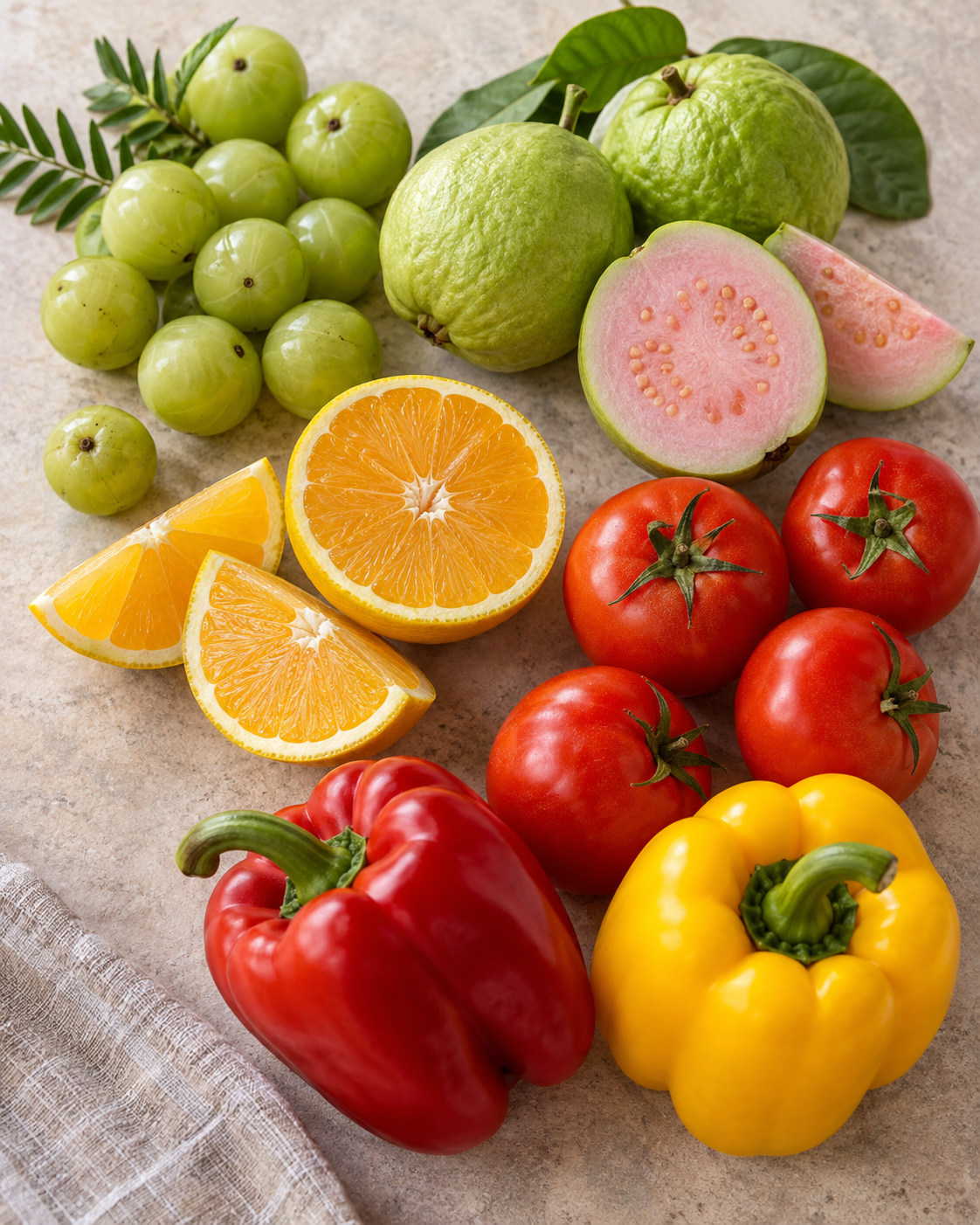
- Amla: Amla provides vitamin C within familiar Indian meals.
- Guava: Guava offers vitamin C alongside fibre and carbohydrates.
- Oranges or mosambi: Citrus fruit can accompany dal or bean meals.
- Tomatoes: Tomatoes work easily inside dals, curries, and salads.
- Bell peppers: Bell peppers add vitamin C to cooked vegetable dishes.
A dal meal with tomato and guava uses familiar ingredients. Availability, taste, allergies, and glucose needs can shape each choice.
The National Health Mission promotes iron-rich, protein-rich, and vitamin-C-rich foods. It also promotes testing and treatment for pregnancy anaemia. Food supports iron intake but cannot replace prescribed treatment.
Tea and coffee near meals may reduce iron absorption. Personal instructions can differ after blood tests or a diagnosis. Ask the pregnancy clinician managing those results for exact timing.
Add Protein, Choline, and Calcium Sources
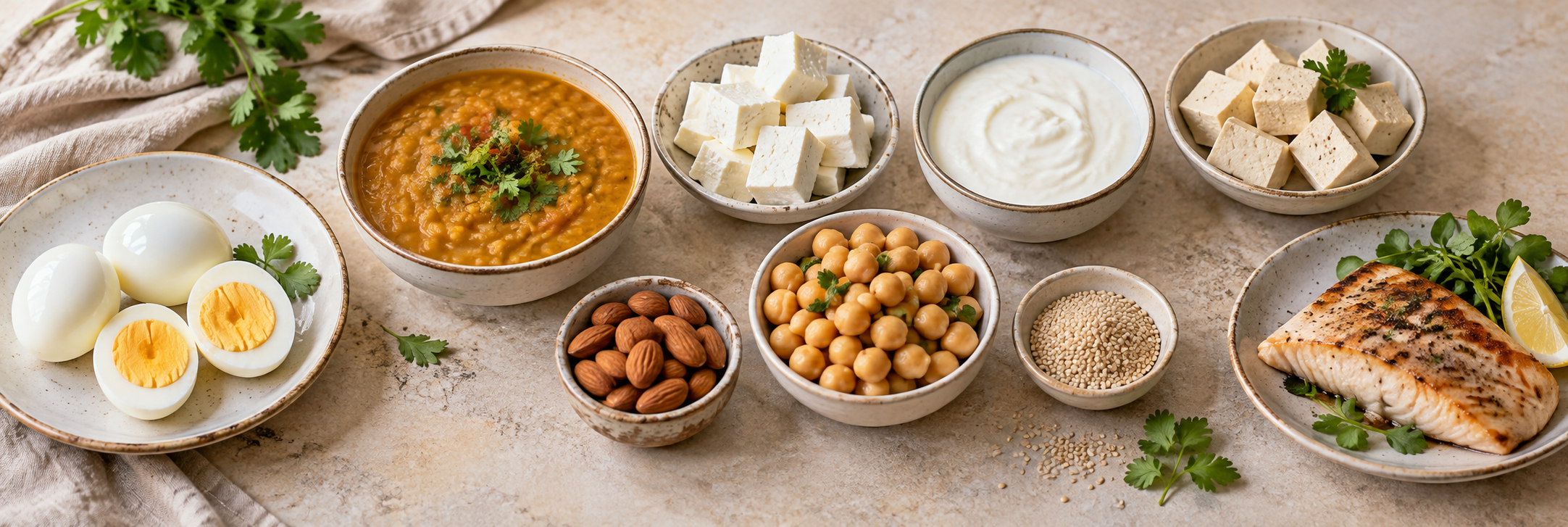
Protein foods support maternal tissues and fetal growth. Several familiar choices provide protein alongside other nutrients.
- Pulses: Dal, chickpeas, beans, and peas provide plant protein.
- Eggs: Cooked eggs provide protein and naturally contain choline.
- Dairy foods: Pasteurised milk, curd, and paneer provide protein.
- Soy foods: Tofu and soybeans provide useful plant protein.
- Nuts and seeds: Peanuts, almonds, and sesame add protein and fats.
- Fish or meat: Thoroughly cooked choices can provide concentrated protein.
Choline supports fetal growth and nervous system development. Eggs, milk, soy foods, peanuts, meat, and poultry contain choline. ACOG lists choline among important pregnancy nutrients.
Calcium supports fetal bones and teeth during pregnancy. Milk, curd, cheese, sesame, almonds, and certain greens contribute calcium. Pasteurised dairy also provides protein with several other nutrients.
Fortified alternatives can help families avoiding dairy products. Check labels because nutrient levels differ across brands. Allergies, vegan diets, and digestive problems may change suitable choices.
Use Ordinary Indian Meals for Food-Group Variety
Indian meals can combine useful foods without complexion promises. Use these combinations as examples without treating them as fixed prescriptions.
- Breakfast: Vegetable poha with curd combines grain, vegetables, and dairy.
- Breakfast alternative: Cooked egg, roti, and fruit add protein and variety.
- Lunch: Rice, dal, leafy vegetables, and curd cover several groups.
- Snack: Guava with suitable nuts combines fruit and plant fats.
- Dinner: Roti, vegetables, dal, and paneer provide varied foods.
Families avoiding dairy can use other protein and calcium sources. Fortified products need label checks because nutrient amounts differ.
These examples show combinations without prescribing fixed meal plans. Energy needs and serving sizes vary across people. Medical conditions can also change meal timing and carbohydrate portions.
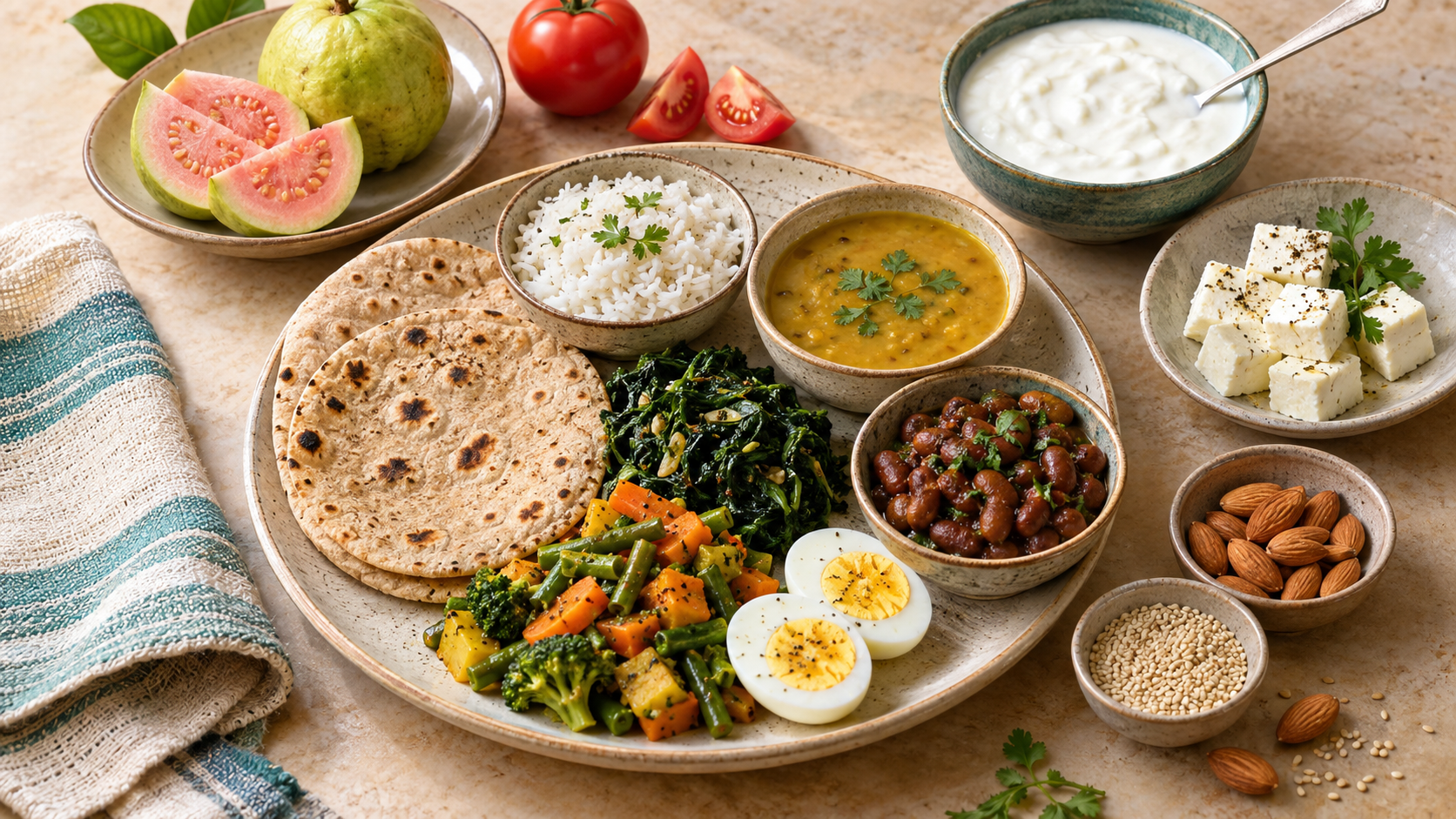
The visual groups foods without prescribing one required plate. Use available choices across several meals during each day. Supplements prescribed during pregnancy still remain separate from ordinary foods.
Saffron Milk Cannot Change Baby Skin Colour
Saffron milk cannot lighten inherited baby pigmentation. The belief remains common across many families and social posts. Current evidence establishes no complexion effect during any trimester.
- Nutritional roleMilk can contribute protein, calcium, and other nutrients. Saffron can add colour, aroma, and flavour to milk. Those ordinary roles never prove a fetal complexion benefit.
- Concentrated productsFood amounts also differ from extracts, capsules, and concentrated mixtures. A recent integrative review of saffron during pregnancy found limited and inconclusive safety evidence. Product strength, dose, timing, and medical history can change exposure.
- Practical safetyAvoid homemade dosage rules tied to a certain trimester. Discuss concentrated saffron products with your pregnancy clinician before regular use. Bring the package, ingredient list, and planned amount when asking.
- Food use and capsulesUsing a few threads for flavour differs from taking capsules. That distinction creates no universal safe dose for pregnancy. Clinical advice should reflect the exact product and pregnancy history.
Dark Foods Cannot Make Baby Skin Darker
Dark food colour cannot darken inherited fetal skin pigmentation. Digestion breaks foods into smaller parts used across normal body processes. Food pigments never travel into fetal skin as matching colour.
Melanin is the main pigment affecting human skin colour. Genes influence how pigment cells make and distribute melanin. A genetics review describes many interacting pigmentation genes.
Dark sesame, chocolate, coffee, tofu, and black beans cannot transfer shade. A hospital myth review reaches the same practical conclusion. Judge those foods through nutrition, preparation, caffeine, allergies, and medical context.
Food colour never becomes skin colour
Avoid removing nutritious foods because their colour looks dark. Avoid choosing white foods because their colour looks light. The colour comparison has no sound biological pathway.
Why Nutritious Foods Cannot Rewrite Pigmentation Genes
Nutrition and pigmentation follow different biological processes. The distinctions below show why healthy foods cannot select skin shade.
- Digestion releases nutrients: Digestion releases nutrients before the body uses them. Those nutrients enter many growth, renewal, and energy processes.
- Genes shape pigmentation: Genes contain instructions affecting pigment cells and melanin production. A baby receives genetic variants from both biological parents. Many variants interact, producing wide differences across families and populations.
- Nutrition supports fetal growth: Maternal nutrition can affect growth when important nutrients remain inadequate. That serious connection never creates control over inherited complexion. Better nutrition supports health without selecting a preferred physical trait.
- Vitamin C has defined roles: Vitamin C supports several normal body functions during pregnancy. It also improves absorption of iron found in plant foods.
- Other nutrients follow the same rule: Folate, calcium, protein, and choline support established pregnancy needs. A proven nutrient benefit cannot prove an unrelated complexion benefit.
Food Preparation Can Change Pregnancy Safety
Preparation can affect pregnancy safety despite a familiar ingredient. Pregnant people face greater harm from several foodborne infections. Safer handling lowers exposure without narrowing meals to bland foods.
- Cook eggs thoroughly. Raw and undercooked eggs can contain harmful germs. Egg dishes should reach a fully cooked state before eating.
- Choose pasteurised dairy. Raw milk and unpasteurised products can contain harmful germs. Check packaged milk, curd, and cheese labels before buying.
- Rinse fresh produce. Wash fruit and vegetables under plain running water. Skip soap, detergent, bleach, and household cleaning liquids.
- Check juice treatment. Untreated juice can contain harmful bacteria during pregnancy. Choose pasteurised or otherwise treated juice during pregnancy.
The CDC pregnancy food-safety page covers eggs, dairy, and unwashed produce. The FDA produce guidance covers washing and treated juice. Local product labels may use different treatment wording.
Whole fruit also provides fibre alongside vitamins and carbohydrates. Juice needs no daily role within sound pregnancy nutrition. Freshly squeezed juice may lack treatment unless the seller confirms it.
Test Any Fair-Baby Food Claim With Two Questions
Two questions can test future fairness-food advice. They separate ordinary food value from an unsupported skin promise.
What Nutrition Role Does the Food Offer?
Identify its food group and ordinary nutrient contribution. A nutrient benefit never proves a baby complexion benefit. Oranges supply vitamin C without selecting inherited skin colour.
Coconut water can contribute fluid and natural carbohydrate. It remains an optional drink, never a pregnancy requirement. Plain water can meet hydration needs without added sugars.
Does Preparation or Concentration Change Pregnancy Safety?
Check cooking, pasteurisation, washing, ingredients, and product strength. Familiar ingredients can become riskier through raw preparation or high concentration. Capsules deserve different scrutiny than normal recipe amounts.
Also check personal health conditions and prescribed medicines. A nutritious food may require different portions after gestational diabetes. An allergy can make an otherwise common food unsafe.
That two-question check works beyond the foods listed here. It preserves useful nutrition while removing the fairness claim. The method also exposes advice built only from food colour.
Handle Family Advice Without Losing Useful Foods
- Separate the claim from the food: Family suggestions may combine affection, tradition, and unsupported claims. Rejecting the complexion promise never requires rejecting every suggested food. First separate the stated skin benefit from the ordinary food value.
- Keep nutritious foods for supported reasons: Suppose a relative recommends oranges for a fair baby. Choose oranges when they suit taste and personal health needs. Describe vitamin C and iron absorption as the supported reasons.
- Review concentrated products: Suppose another relative recommends saffron capsules each morning. Ask for the exact package, ingredients, amount, and product strength. Review that concentrated product with the pregnancy clinician before regular use.
- Do not restrict foods by colour: Some advice may restrict dark foods during pregnancy. Removing beans, sesame, or other nutritious foods can reduce dietary variety. Food colour alone provides no sound reason for removal.
- Respond calmly: A calm response can preserve family relationships and factual boundaries. Try naming the useful food role before correcting the complexion claim. Avoid arguments about tradition when the practical decision concerns nutrition.
- Check marketing promises separately: Marketing claims deserve the same two-question review. Packaging may pair nutrient facts with unsupported baby-skin promises. Verify each promised outcome separately from the listed nutrient content.
- Ask clinicians about unfamiliar products: No label should replace individual medical advice during pregnancy. Bring unfamiliar products to an antenatal appointment for review. The ingredient list and planned amount help clinicians assess exposure.
When Pregnancy Nutrition Needs Personal Clinical Help
Some pregnancy conditions need individual nutrition and medical support. General food information cannot interpret blood tests, glucose readings, allergies, or dehydration.
- Anaemia: Food can supply iron, folate, protein, and vitamin C. Diagnosed anaemia needs testing and clinician-directed treatment.
- Gestational diabetes: Carbohydrate portions and meal timing may need adjustment. Bring glucose records when discussing fruit, dried fruit, and drinks.
- Severe nausea or vomiting: Poor intake can cause fluid and nutrient problems. Seek medical help when fluids cannot remain down.
- Restricted diets or allergies: Missing food groups can create nutrient shortfalls. A registered dietitian can identify practical replacements.
- Supplements and herbal products: Concentrated products differ from foods. Review every product with the pregnancy clinician managing medicines.
Never replace prescribed prenatal supplements with complexion foods. Never stop anaemia treatment because a relative recommends fruit. Bring the actual product label when asking about supplements.
Common Questions About Food and Baby Complexion
No, oranges cannot make an inherited baby complexion fairer. They provide vitamin C, fluid, and dietary variety. Vitamin C also supports absorption of plant-based iron.
No evidence links coconut water with lighter infant pigmentation. Choose it only as an optional beverage. Personal glucose or kidney needs may change that choice.
Vitamin C supports normal nutrition without selecting skin shade. Fruit colour and vitamin content cannot rewrite inherited pigmentation genes. Use vitamin C foods for their established nutrition roles.
No trimester makes saffron a baby-lightening food. Pregnancy safety evidence for concentrated saffron products remains limited. Ask about the exact product before using it regularly.
Dark foods cannot transfer their colour into fetal skin. Genes influence melanin production through complex biological processes. Choose dark foods according to nutrition and personal needs.
Conclusion
Choose foods that nourish you and support your baby’s growth. Build meals with varied grains, pulses, vegetables, fruit, protein foods, and dairy or suitable alternatives. Follow food-safety advice and take supplements or treatment exactly as prescribed. Food cannot determine inherited skin colour, so keep helpful family foods for nutrition and leave complexion promises behind. Ask your clinician about personal needs.
Sources
- ICMR-NIN: Dietary Guidelines for Indians 2024
- National Health Mission: Anaemia Mukt Bharat
- ACOG: Healthy Eating During Pregnancy
- WHO: Eating Healthy Food During Pregnancy
- CDC: Safer Food Choices for Pregnant Women
- FDA: Fruits, Veggies and Juices for Moms-to-Be
- Annual Review: The Genetics of Human Skin and Hair Pigmentation
- South Asian Skin Pigmentation Genomewide Study
- Saffron and Pregnancy: Cultural Practices, Beliefs, and Safety Evidence