

What Shapes Skin Color in Babies?
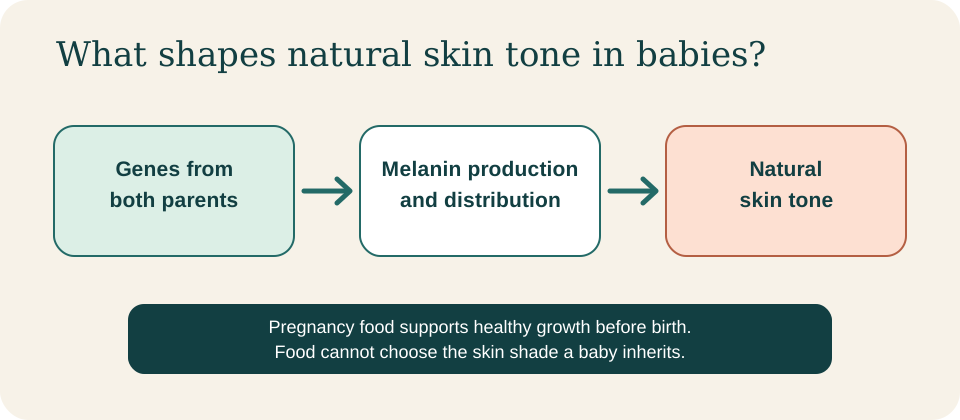
Genes from both parents shape skin color in babies. Many genes work together, creating countless possible shades among families worldwide. Skin cells make a pigment called melanin.
Its amount and kind help form each skin shade. Melanin can also help protect skin from damage in sunlight.
MedlinePlus Genetics lists genes tied to normal skin color. Genome research also links many gene areas with skin color differences. Parents with similar tones can have children with other shades. Brothers and sisters can receive other gene mixes from the same parents.
Nobody can predict the exact shade from parental looks. Ultrasound checks growth and body parts, never future skin color.
Food nourishes growing tissues, blood, bones, and the brain. However, food cannot rewrite pigment genes after a baby begins growing. Vitamins cannot steer melanin toward a chosen skin shade either.
Can Food During Pregnancy Change Skin Color From Genes?
Food during pregnancy cannot choose or lighten skin color in babies. Reliable studies never show pregnancy foods lightening inherited baby skin.
Food claims can sound convincing because pregnancy brings many body changes. Dark foods never darken babies or change inherited pigmentation. White foods never lighten the skin shade set through genes.
Skin creams and oils cannot rewrite fetal pigment genes. Some lightening products contain mercury or hydroquinone. FDA testing found pregnant people face greater risks from mercury exposure. Ask your doctor before using lightening products during pregnancy.
Drinking soaked spice water cannot control baby pigment cells inside the womb. A better question asks what each food offers the body. Food supports growth without changing any skin shade.
What Do the 13 Popular Foods Offer?
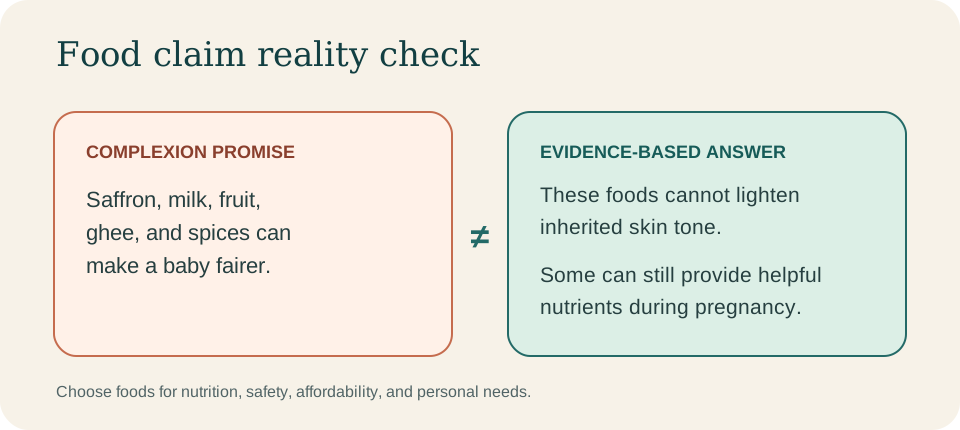
The original article named thirteen foods for a fair baby. None can lighten baby skin, although many offer good nutrients during pregnancy. Use the chart for honest benefits and food limits.
| Food or drink | Helpful value | Practical parent note |
|---|---|---|
| Avocado | Folate, fiber, and plant fats | Choose avocado when your budget and appetite allow. |
| Coconut or coconut water | Energy, fluids, and some salts | Choose unsweetened coconut water when you enjoy its taste. |
| Saffron milk | Milk nutrients, flavor, smell, and tradition | Avoid extracts or supplements without advice from your pregnancy doctor. |
| Sweet potatoes | Beta carotene, fiber, and carbohydrates | Roast or boil sweet potatoes as one colorful carbohydrate choice for meals. |
| Berries | Vitamin C, fiber, and plant compounds | Wash each berry under flowing water before eating it. |
| Almonds | Protein, plant fats, fiber, and minerals | Avoid almonds whenever your doctor confirms an existing nut allergy. |
| Ghee | Concentrated fat and food energy | Use modest portions within balanced home meals. |
| Eggs | Protein, choline, vitamin D, and other nutrients | Cook each egg fully under your local pregnancy advice. |
| Milk, curd, or cheese | Protein, calcium, iodine, and other nutrients | Choose pasteurized milk, curd, or cheese during pregnancy. |
| Cumin seeds | Flavor and small nutrient amounts | Use ground cumin for flavor, never as medicine for anemia. |
| Grapes or grape juice | Carbohydrates, fluids, and several vitamins | Wash whole grapes and choose pasteurized juice during pregnancy. |
| Red lentils | Protein, folate, iron, fiber, and carbohydrates | Eat properly cooked lentils to receive their full food value. |
| Fennel seeds | Aroma and small nutrient amounts | Ask your doctor before frequent herbal drinks or supplements. |
These foods remain valuable when they meet your nutrition needs.
Does Saffron Milk Make a Baby Fairer?
Saffron milk cannot make baby skin fairer before birth. Genes control pigment inside the developing skin. Saffron only adds flavor and color to milk.
Milk may provide protein, calcium, iodine, and added vitamin D. Neither ingredient can select any inherited skin shade for an unborn baby.
A pinch used in food differs from saffron pills or extracts.
Plant products can vary in strength, purity, and ingredients. NHS pregnancy advice warns that some natural remedies may lack pregnancy safety. Show herbal packages to your doctor, midwife, or pharmacist.
Saffron remains optional during pregnancy and never controls skin color. Health conditions, allergies, and medicines can change the safest personal choice.
Which Nutrients Deserve Attention During Pregnancy?
Food during pregnancy should nourish you and your growing baby. Pregnancy needs folate, iron, calcium, iodine, choline, vitamin D, and protein.
ACOG pregnancy nutrition advice lists daily targets for American adults. It lists 27 milligrams iron and 220 micrograms iodine. ACOG also lists 450 milligrams choline during pregnancy. Follow local advice because supplement programs vary between countries.
Folate protects early brain and spine growth
Folate helps new cells form during baby growth before birth. Folic acid is the supplement form of folate. It lowers risks of certain brain and spine birth defects.
ACOG lists a total daily folic acid target of 600 micrograms. It recommends prenatal vitamins that contain at least 400 micrograms folic acid. The advice begins one month before pregnancy whenever possible. Certain histories need another amount from a doctor. Never change prescribed supplements after reading any online food claim.
Beans, lentils, leafy vegetables, oranges, and fortified grains contain folate too. Food cannot replace prescribed folic acid when health risks rise.
Iron moves oxygen through growing blood
Iron helps red blood cells move oxygen throughout pregnancy. Your body also makes extra blood throughout these pregnancy months.
Lentils, beans, meat, poultry, and fortified cereals provide iron. Vitamin C from peppers, oranges, tomatoes, or berries improves plant-iron absorption. Pairing lentils with tomatoes offers an easy family meal example. Blood tests can find anemia during pregnancy. Anemia can reduce the oxygen that blood moves around your body.
Cumin water cannot replace testing, iron tablets, or doctor advice. Take only the iron amount your own doctor recommends each day.
Calcium, vitamin D, and iodine serve different jobs
Calcium and vitamin D support growing bones and teeth. Iodine supports brain growth and healthy thyroid work in babies.
Pasteurized milk, curd, cheese, eggs, seafood, and fortified foods may contribute. Food makers add vitamins or minerals to fortified foods. Fortified soy drinks can help families avoiding dairy. Check labels because coconut water cannot replace fortified milk nutrients. ACOG lists 1,000 milligrams calcium for pregnant adults aged nineteen through fifty.
It lists 1,300 milligrams for pregnant teenagers. Your doctor should consider age, diet, medicines, and health history.
Choline and protein build developing tissues
Choline supports baby brain and spine growth. Protein supplies building material for parent and baby tissues.
Eggs, milk, soy foods, peanuts, meat, and poultry contain choline. Many prenatal vitamins contain little choline, according to ACOG. Eggs, lentils, dairy, beans, nuts, fish, and soy provide protein.
How Can Parents Build a Useful Pregnancy Plate?
Build most meals around familiar foods from several groups. Aim for produce, grains, protein foods, and calcium-rich choices daily.
- Start with rice, roti, oats, or another available grain.
- Add lentils, beans, peas, eggs, fish, chicken, tofu, or dairy.
- Include cooked vegetables or washed raw produce for variety.
- Finish with fruit, curd, or another suitable calcium source daily.
A family lunch might pair dal, rice, vegetables, and pasteurized curd. Tomato or lemon alongside lentils can improve iron absorption.
Breakfast could sometimes include cooked eggs, roti, fruit, and milk. Families avoiding dairy could choose a fortified soy drink. Affordable local foods can build strong meals without costly superfoods. Whole fruit offers fiber and more chewing than juice.
Water remains the main drink for most healthy daily thirst. Your doctor can adjust meals for diabetes, vomiting, anemia, or allergies.
Which Food Safety Steps Protect Pregnancy?
Safe preparation lowers infection risks during pregnancy. Wash produce, separate raw foods, cook risky foods, and chill leftovers promptly.
The CDC pregnancy food chart names several riskier choices. Raw milk, unpasteurized juice, undercooked eggs, and unwashed produce appear there. Pasteurization uses heat to kill harmful germs in food. Safer choices include pasteurized products, washed produce, and well-cooked eggs.
Use separate boards for raw meat and ready foods. Refrigerate cut fruit and leftovers safely without long room-temperature storage.
Reheat leftovers until steaming throughout before anyone eats them. Home herbal recipes may use very different amounts. Share each supplement, powder, or herbal mixture with your doctor promptly.
Bring its label or package during a prenatal visit. Mention the amount, frequency, reason, and any symptoms. The package helps your doctor check ingredients and medicine interactions.
How Can Parents Answer Fairness Comments?
A short response can stop repeated fairness claims without starting arguments.
Tell relatives that genes shape color while meals nourish growth. One response works well: We choose food for healthy growth across every shade. Another option offers equal truth: Saffron adds flavor, yet genes shape color.
Both responses respect relatives while rejecting a harmful promise. Ask relatives for washed fruit, cooked lentils, or help preparing meals. Practical help serves parents better than looks-based comments. Warm family words can protect children from color-based shame.
Parents never cause darker skin through any regular food choices. The shade a baby gets never measures health, worth, beauty, or happiness.
Why Can Newborn Skin Look Different After Birth?
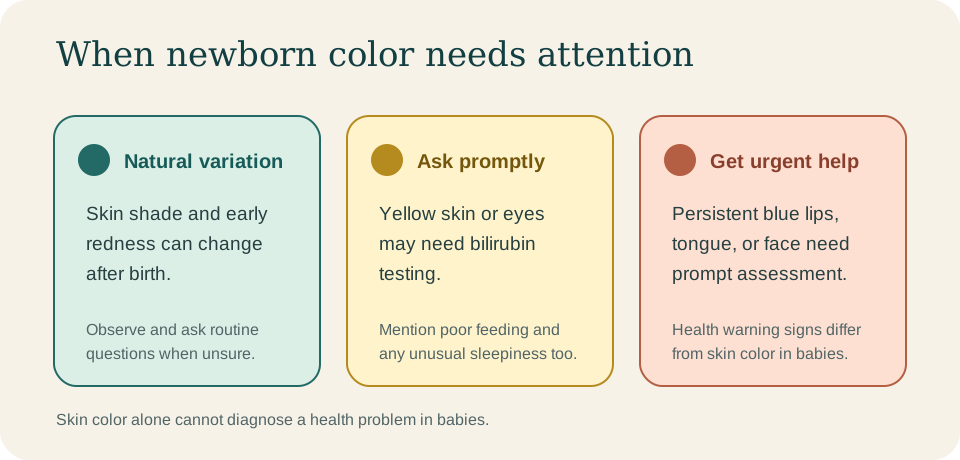
Newborn skin can change during the early days. Blood flow, temperature, and birth can change its first color.
American Academy of Pediatrics information notes that newborn skin can appear lighter initially. Skin pigment becomes more visible as babies grow. Peeling and blotchy patches can also appear during early days.
Cold hands and feet may briefly look blue or purple after birth. Their color should improve after gentle warming.
Persistent blue lips, tongue, or face need emergency help. Yellow skin or eyes can signal jaundice from bilirubin buildup. Bilirubin is a yellow substance made when old blood cells break down. Jaundice can look harder to spot on darker skin. Check baby skin and both eye whites under good white light. Yellow color during the first day needs urgent doctor help.
The AAP jaundice resource recommends at least one bilirubin check before hospital discharge. Contact a baby doctor for spreading yellow color, poor feeding, or sleepiness.
Never use sunlight, herbs, or home mixtures for jaundice. A health professional can check bilirubin and choose suitable treatment.
Sources
- ACOG: Healthy Eating During Pregnancy
- CDC: Safer Food Choices for Pregnant Women
- MedlinePlus Genetics: MC1R Gene and Pigmentation
- NHGRI: Human Genome Regions Linked With Skin Color
- American Academy of Pediatrics: Newborn Appearance
- American Academy of Pediatrics: Jaundice in Newborns
- American Academy of Pediatrics: Common Newborn Conditions
- NHS: Medicines and Herbal Remedies During Pregnancy
- FDA: Mercury and Hydroquinone in Skin-Lightening Products