Best Multivitamin for Women in India: Compare Labels First
The best multivitamin for women in India matches your nutrient needs. Start with the exact Indian label, age, diet, and medicines. The right choice changes with food, health, and life stage.
Most healthy women can meet many needs through varied food. A multivitamin may help when meals miss a nutrient. Tiredness and hair loss can have many causes. Anaemia affects healthy blood cells and needs medical checks. Pregnancy and confirmed deficiencies need their own medical plan.
In this article

Which women multivitamins deserve a closer look?
Four products may suit four different adult needs. No single product works best for every woman. The table compares Indian serving amounts, daily cost, and safety concerns.
| Product and pack | Selected nutrients per daily serving | Checked price and daily cost | Possible match | Main concern |
|---|---|---|---|---|
| Centrum Women, 30 tablets | Iron 4.4 mg; vitamin D2 600 IU; B12 2.2 mcg; folate 220 mcg; calcium 325 mg; iodine 140 mcg | ₹413; about ₹13.77 daily | Broad formula with lower iron | Food must supply the remaining calcium |
| GNC Women One Daily India, 60 tablets | Iron 21 mg; vitamin D3 400 IU; B12 1 mcg; folic acid 117 mcg; calcium 500 mg; iodine 150 mcg | ₹381; about ₹6.35 daily | Higher listed iron and calcium | Indian and American formulas differ greatly |
| HK Vitals Multivitamin Women, 90 tablets | Iron 29 mg; vitamin D2 15 mcg; B12 2.2 mcg; folic acid 129.41 mcg; calcium 100 mg; iodine 56 mcg | ₹539; about ₹5.99 daily | Higher iron after checking total intake | Contains soy, ginseng, and added plant ingredients |
| Wellwoman 50+ India, 30 tablets | Indian listing states iron 15 mg; vitamin D 15 mcg; B12 2.2 mcg; folic acid 132 mcg | ₹630; ₹21 daily | Women aged 50 years and older | Indian and overseas panels show different amounts |
These prices exclude delivery fees, memberships, and temporary coupons. Match the bottle against the product page before paying. Older online images may show another formula.
What do the four Indian labels reveal?
The four Indian labels differ sharply across major nutrients and cost.
- Iron spans 4.4 mg to 29 mg, a 6.6-fold range.
- Calcium spans 100 mg to 500 mg, a fivefold range.
- Vitamin B12 spans 1 mcg to 2.2 mcg, over twofold.
- Daily cost spans ₹5.99 to ₹21, about 3.5-fold.
Higher amounts never prove higher quality or a better match. Those ranges show why exact labels matter more than brand names.
How should a busy parent choose one?
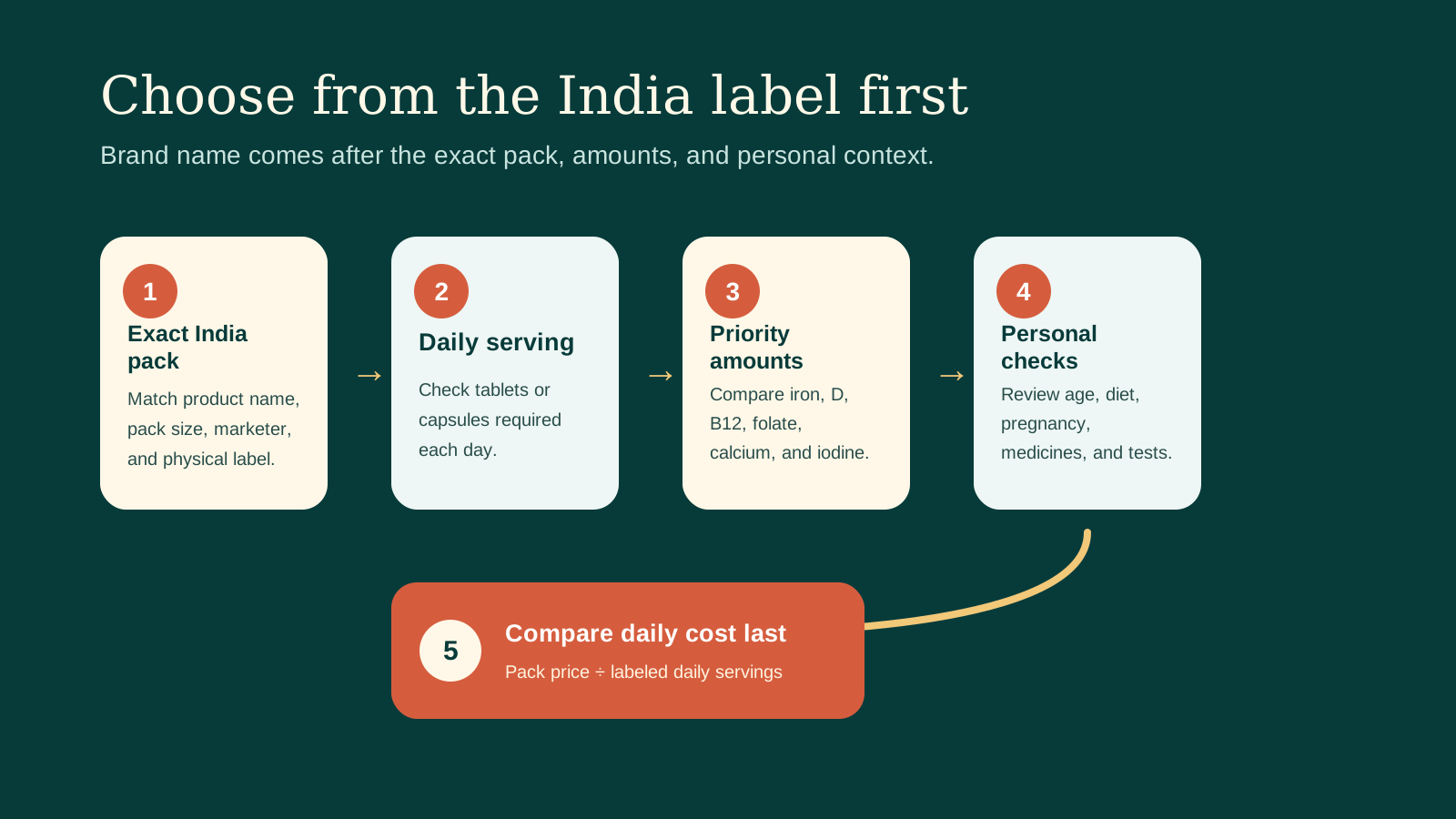
First, write down why you want a supplement. Ignore famous brands until you read the label. Five quick checks can protect your money and health.
- Name your reason: Write the food gap or health concern.
- Confirm your pack: Match the product name and pack size.
- Read one serving: Check every tablet required each day.
- Add every source: Include food, powders, gummies, and tablets together.
- Review your health: Check medicines, pregnancy, allergies, and conditions first.
For example, missing breakfast never proves a vitamin deficiency. A parent may miss balanced meals during busy school mornings. Better meal planning may help more than another tablet.
Why must the Indian label come first?
The same brand can use different formulas across countries. The Indian GNC label lists 400 IU vitamin D3. It also lists 1 mcg B12 and 21 mg iron.
The American GNC formula lists much higher D3 and B12 amounts. Using those numbers would misstate the Indian tablet. Imported packs may also differ across sellers and batches.
Check four label details on the physical pack:
- Exact product name and stated age group.
- Indian manufacturer, importer, or marketer named on the pack.
- Serving size and tablets inside the bottle.
- Batch, expiry date, seal, and licence details.
Photograph the label after opening your bottle. Show that image during a doctor or pharmacist visit. The photo also records the formula you purchased.
How did we assess the products?
We chose readable Indian labels over marketing promises. We compared serving amounts, prices, and added ingredients. Customer ratings never shaped any health decision.
We focused on iron, vitamin D, B12, folate, calcium, and iodine. Those nutrients shape choices across diets, ages, and life stages. We also reviewed soy, herbs, serving size, and age claims.
MOM News Daily did no lab tests or product trials. No doctor has reviewed the article yet. We found no independent studies proving the brand promises.
A label comparison cannot prove purity or batch accuracy. We found no public batch tests for every shortlisted product.
Which shortlisted product may match your situation?
Your closest match depends on diet, periods, age, medicines, and tests. Ignore skin and energy promises when comparing nutrient amounts.
Centrum Women has less iron than other choices
Centrum Women lists 4.4 mg iron per Indian tablet. Its label also includes calcium, iodine, vitamin D2, and B12. That lower iron amount separates Centrum from higher-iron choices.
Possible match: your food already supplies enough iron.
Ask a doctor: blood tests show iron deficiency.
The 30-tablet pack cost ₹413 during our review. Each labelled serving cost about ₹13.77. Calcium still requires food such as curd, milk, ragi, or tofu.
GNC Women One Daily lists more calcium and iron
The Indian GNC tablet lists 21 mg iron. It also contains 500 mg calcium and 150 mcg iodine. Vitamin B12 reaches only 1 mcg per tablet.
GNC combines the highest listed calcium with high iron. Compare both amounts with your food intake and health needs.
During our price check, sixty tablets cost ₹381. One labelled serving cost about ₹6.35. Low price never proves that a product suits you.
HK Vitals Women needs an iron and allergen check
HK Vitals Women lists 29 mg iron per tablet. Its formula also contains soy isoflavone, ginseng, and lycopene. Calcium reaches 100 mg, while iodine reaches 56 mcg.
Label warning: The retailer lists soy as an allergen. Added plant ingredients can complicate medicine reviews.
The 90-tablet pack cost ₹539 during our check. Daily cost reached about ₹5.99 per serving. The low daily cost cannot show your iron needs.
Wellwoman 50+ serves a separate life stage
A multivitamin for women over 50 should match diet and medicines. Wellwoman 50+ targets women aged 50 years and older. The Indian brand page names Meyer Organics and displays Indian FSSAI licences.
The Indian retailer lists 15 mg iron and 15 mcg vitamin D. It also lists 2.2 mcg B12 and 132 mcg folic acid. Overseas Wellwoman panels contain different nutrient amounts.
- Serving: one tablet with the main meal.
- Checked cost: ₹630 for thirty tablets, or ₹21 daily.
The 50+ name never proves every amount suits you. Menopause, diet, medicines, and blood tests shape the final choice.
Which products need stronger label proof?
Some popular options lack enough label detail for fair review. Missing nutrient amounts block an accurate product review. They never prove that the nutrient is absent.
The current Dr. Morepen Women listing names vitamins, glutathione, herbs, and antioxidants. Its ingredient list omits amounts for iron, calcium, iodine, and vitamin D. Without those numbers, we cannot compare it fairly.
Nutrabay Women names many vitamins and minerals. Its online page lacks a complete amount panel. OZiva Women 35+ serves a separate age group. Its page also lacks amounts needed for a fair comparison.
Fresh pack photos could answer those questions. Until then, these products remain outside the main table.
Do most women need a daily multivitamin?
Many healthy women can meet nutrient needs through varied meals. The ICMR-NIN dietary guidelines place varied foods at the centre of nutrition. Supplements may help when food intake misses specific needs.
The NIH multivitamin overview places varied food ahead of multivitamin use. Multivitamins can raise low nutrient intake when food falls short. Combining tablets with foods containing added vitamins can raise intake too high.
A busy parent might eat poha, peanuts, and vegetables for breakfast. Lunch may include dal, rice, curd, and fruit. Dinner might add roti, paneer, eggs, fish, or beans. Those foods bring protein, fibre, and many nutrients. A tablet cannot copy that food variety.
Vegetarian and vegan diets need closer B12 attention. NIH notes some people following such diets may need supplements. A dietitian or doctor can review other food limits.
Which nutrients deserve attention first?
Start with nutrients linked to your food pattern or life stage. Large ingredient counts have little value without useful amounts.
More iron is never better for every woman. Food, periods, age, and blood tests change the amount needed.
Iron helps form blood and move oxygen. A multivitamin with iron needs a diet or health reason. High amounts can upset your stomach after use.
Vitamin B12 helps nerves and blood cells remain healthy. Vegetarian and vegan diets need close attention here. Check the exact B12 amount on your Indian pack.
Vitamin D helps bones and muscles work well. A multivitamin may contain less than a prescribed treatment dose. Blood results can change the medical plan.
Calcium helps bones, teeth, muscles, and nerves. One tablet may supply only part of daily needs. Food may need to supply the remaining calcium.
Folate helps cells grow and form healthy blood. Pregnancy planning needs specific folic acid advice. A general formula cannot replace prenatal planning.
Iodine helps the thyroid make important hormones. Thyroid conditions and medicines need personal review. Taking several iodine products can raise intake too high.
What does 100 percent RDA mean on a label?
RDA is short for Recommended Dietary Allowance. A 100 percent RDA label compares one serving against a reference amount. It never promises full absorption or a perfect personal dose. Food, age, health, and other supplements still count.
Product labels may use different RDA reference amounts. Labels use mg for milligrams and mcg for micrograms. IU is another unit used for certain vitamins. Read those amounts before comparing RDA values and serving sizes.
A calcium tablet may cover only part of daily needs. Milk, curd, ragi, tofu, sesame, and other foods add more. Count food and supplements before judging the total amount.
When does a single nutrient make more sense?
Blood tests may show one nutrient needs treatment. A single-nutrient product can avoid extra vitamins or herbs. A doctor should choose the amount and schedule.
Iron deficiency needs a dose chosen for the diagnosis. Treatment iron may differ greatly from multivitamin iron. A doctor should choose the dose and treatment length.
Vitamin D and B12 follow the same principle. Test results can require amounts beyond regular multivitamin labels. Later blood tests check progress and future dose needs.
Should you choose tablets, capsules, or gummies?
Choose a form you can take safely every day. Nutrient amounts matter more than flavour or appearance.
Tablets can hold many nutrients in one serving. Large tablets may challenge people with swallowing problems. Check the label before splitting or crushing one.
Capsules can make swallowing easier for some adults. Capsule material may come from animal or plant sources. Dietary preference needs a pack-level check before purchase.
Gummies can appeal to people who dislike tablets. They may contain sugar and fewer minerals. Their sweet taste also creates a child-safety risk.
A locked cupboard protects curious children from gummy products. Never describe vitamin gummies as sweets around young children.
When should you take a multivitamin?
Follow the exact serving directions printed on your pack. Some labels recommend taking the product after a meal. Food can reduce stomach discomfort for many users.
Choose a time you can remember without doubling doses. A breakfast routine may work for one parent. Another parent may remember it better with dinner.
Iron, calcium, and other ingredients can affect medicine timing. Ask a pharmacist about your exact tablet and prescriptions. Bring the bottle or a readable label photo.
Which safety checks matter before the first dose?
Pregnant women need prenatal advice before choosing a general multivitamin. Review medicines, allergies, and duplicate products before the first dose. Share the complete ingredient panel with a pharmacist or doctor.
Ask a doctor or pharmacist when any item applies:
- Pregnancy, breastfeeding, or plans for a future pregnancy.
- Kidney, liver, thyroid, or blood-related health conditions.
- Diagnosed anaemia or another confirmed nutrient deficiency.
- Daily prescription medicines, regular antacids, or blood thinners.
- Several powders, gummies, or tablets containing added nutrients.
- Soy, milk, nut, colour, or capsule-material allergies.
Vitamin K can affect warfarin and similar blood thinners. Iron and calcium can change when some medicines work best. A pharmacist can check timing and duplicate ingredients.
Stop using the product after a possible bad reaction. Severe swelling or breathing trouble needs urgent medical help. Store every supplement beyond the reach of young children.
Which side effects can occur?
Iron can cause nausea, constipation, or stomach discomfort. Some multivitamins can also darken stool during regular use. Large mineral amounts may cause loose stools for some users.
Take symptoms seriously after starting a supplement. Record the product, serving, timing, food, and symptoms. A pharmacist or doctor can assess the likely cause.
Fatigue, hair loss, dizziness, or weakness can have many causes. A product ranking cannot diagnose any of them. Persistent symptoms deserve a proper medical review.
How should parents compare the price?
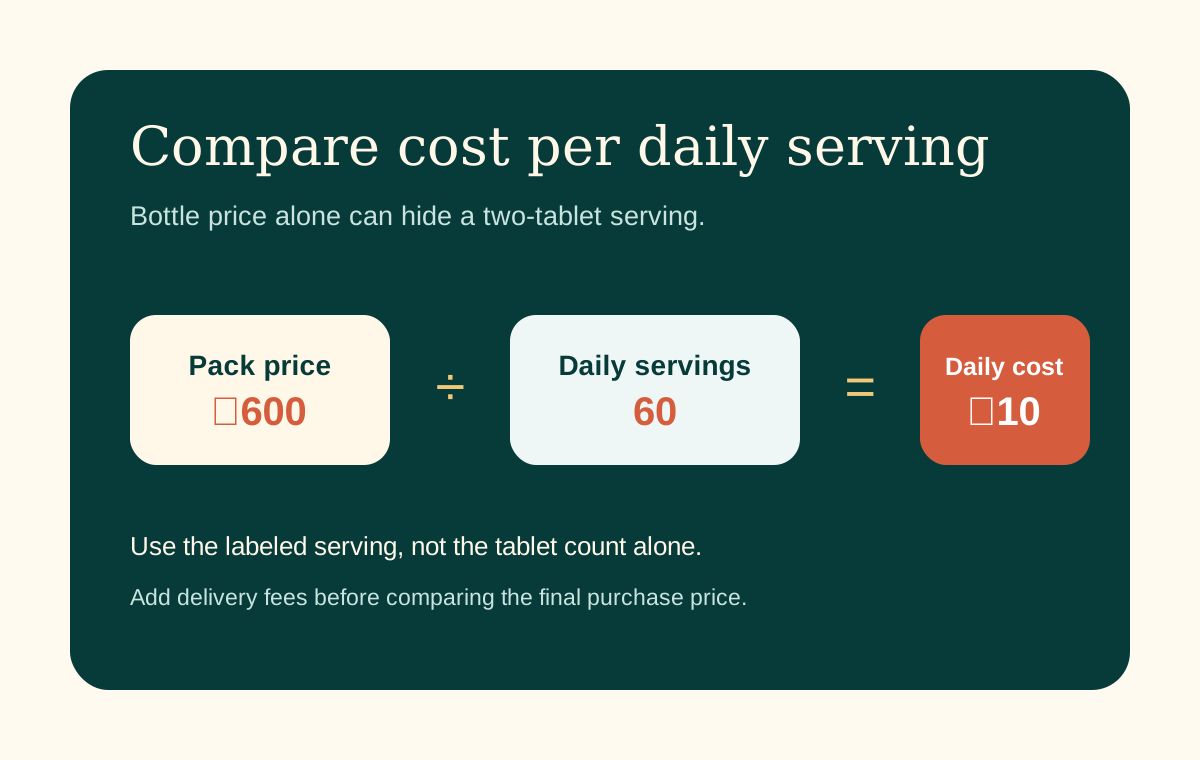
Compare price per day, never bottle price alone.
Daily cost formula: pack price ÷ labelled daily servings
A ₹600 bottle with sixty daily servings costs ₹10 daily. Two tablets per day may reduce those servings to thirty. Delivery fees can also change the final amount.
Compare prices again before placing your order. Coupons may lower checkout totals for a short time. A coupon should never decide a health need.
What does FSSAI status actually show?
FSSAI is the national food safety agency. Its health supplement rules cover ingredients, labels, and allowed claims. A licence names the responsible food business.
A licence cannot prove the product works for you. It also cannot prove one product beats another. FSSAI rules bar claims about preventing, treating, or curing disease.
Use licence details to confirm the product name and seller. Then read amounts, warnings, medicines, and health needs. Report damaged seals or false claims to FSSAI.
Can multivitamins prevent cancer or heart disease?
Research lacks enough proof for that broad prevention promise. The US Preventive Services Task Force review found too little evidence. Its review covered multivitamins, heart disease, and cancer prevention.
The review covered nonpregnant adults living at home. It excluded chronic illness and known nutrient deficiency. Prevention and deficiency treatment remain separate health questions.
Choose supplements only for a known nutrient reason. Use screening, varied food, movement, sleep, and medical help.
What should you do before buying?
The best multivitamin for women in India passes three checks. It matches your nutrient need, Indian label, and medicines. Calculate price per day only after those checks.
Take your medicine list, diet notes, and label photo to a pharmacist. Add recent tests when a doctor ordered them. A short review can prevent an unsuitable purchase.
Sources
- ICMR-NIN, Dietary Guidelines for Indians 2024
- FSSAI, Health Supplements and Nutraceuticals standards
- FSSAI, 2022 nutraceutical regulations direction
- NIH Office of Dietary Supplements, multivitamin fact sheet
- USPSTF, vitamin supplements for cardiovascular disease and cancer prevention
- Centrum Women India professional product page
- Centrum Women India label and current retail listing
- GNC Women One Daily India label and current retail listing
- HK Vitals Women India label and current retail listing
- Wellwoman 50+ India product page
- Wellwoman 50+ India ingredient listing
- Dr. Morepen Women current ingredient listing


Hair Shedding vs Hair Breakage: Signs to Notice at Home and When to Seek Help
8 min read
Understanding Autism and Its Implications
5 min read
What To Do If Your Teenager Is Struggling With Their Mental Health
5 min read